Jun 17, 2013
I believe this is the first public acknowledgment that the Corps is not going to do regional EIRs.
The Public Record
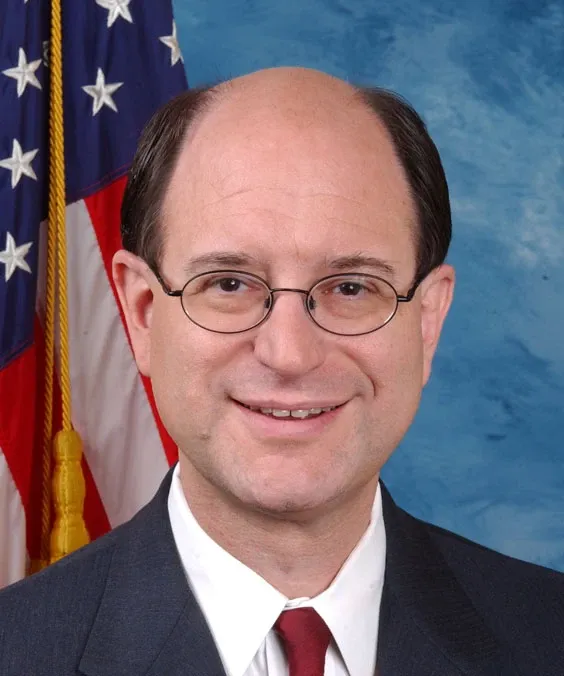
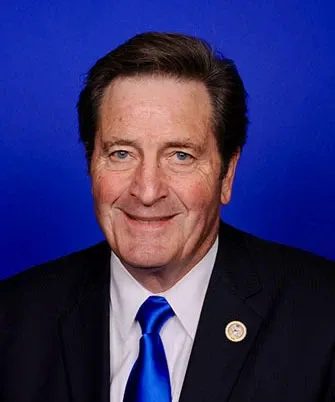
Jerry McNerney is an American politician and a member of the Democratic Party, serving as the U.S. Representative for California's 9th congressional district since 2007. He has focused on energy and environmental issues throughout his tenure, advocating for sustainable practices and policies to combat climate change. McNerney has also been involved in various initiatives aimed at improving healthcare and supporting education in his district.
I believe this is the first public acknowledgment that the Corps is not going to do regional EIRs.
I want to talk a little bit about fracking. We are going to be producing a lot of natural gas and oil using that technique, and that may be beneficial, but there is a significant risk in my opinion of natural gas escaping into the…
You clearly have a good grasp of it and you are sharing the wealth so it is understandable.
There is significant political pressure to move forward with one plan without considering the alternatives.
That plan as currently drafted has serious environmental impacts in the entire delta including endangered species implications
I just want to submit that that is a dubious plan and it is receiving federal resources despite the fact that the State has already got a large chunk of money that is unused.
We can pay down now, and the cost will be in treasure, or we can pay down later, and the cost will be treasure and blood.
Now, it is important to have a balance, I understand that. But my concern with this bill is that it could indefinitely delay or block critical public health and environmental protections for analysis of questionable value, in my opinion…
It continually amazes me that our friends on the other side of the aisle think of the EPA as the devil because before the EPA came along, we had the Love Canal, we had the Cuyahoga River catching on fire, and look, China doesn't have an…
I agree wholeheartedly with the 'all of the above' strategy, including nuclear.
In 2011, I am going to direct a question to you first, Ms. Tierney, the American Electric Power proposed to develop a large CCS plant in West Virginia.
Climate change is a serious health threat to the citizens of this country, and, in fact, the world.
Well, is carbon capture and storage technology going to be widely deployed in the United States in the absence of a requirement to use it, or other strong policy driver?
In light of that ad, what do you think the outlet for carbon capture and sequestration storage technology is?
What is your response to the argument that we should just wait for years, or even decades, before limiting the amount of carbon pollution that power plants can emit?
The coal industry, and critics of the EPA's efforts to control carbon pollution from power plants are saying that carbon capture and storage technology is not feasible.
Well, I would say that it is virtually impossible, given what the legislation proposes, for coal-fired power plants to use CCS equipment that aren't receiving some sort of government subsidy, so I think the bill makes it impossible for EPA…
If we do believe that climate change is happening, this bill is exactly the wrong way to go.
Greenhouse gases pose a significant threat to our economy, to our public health, and to the environment.
The legislation focuses on the Whitfield bill. The draft legislation would block EPA's ability to issue standards to limit carbon pollution from new and existing coal-fired power plants.
But you can hear our frustration in how long this is taking, and we just want to work together to get to the best result.
Politicians like Jerry McNerney