Jun 27, 2017
The Administration's budget would absolutely decimate the all-important field of materials science in the United States.
The Public Record
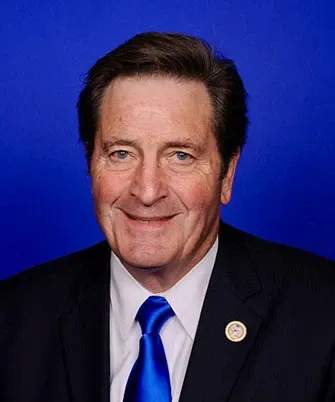
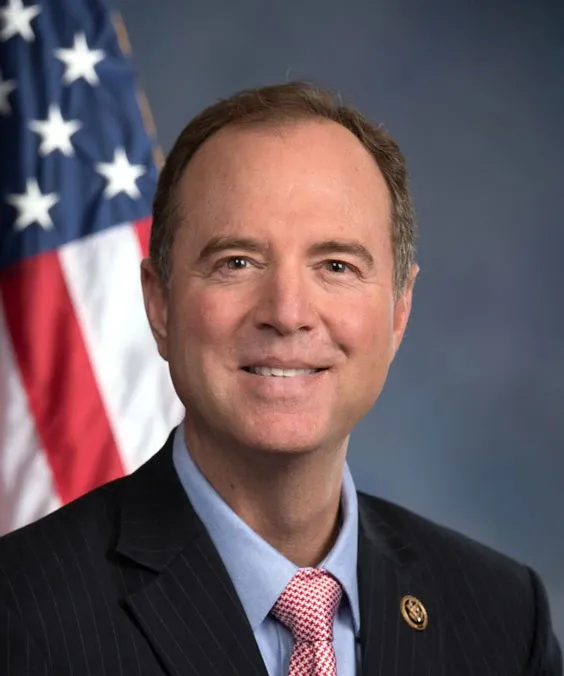
Jerry McNerney is an American politician and a member of the Democratic Party, serving as the U.S. Representative for California's 9th congressional district since 2007. He has focused on energy and environmental issues throughout his tenure, advocating for sustainable practices and policies to combat climate change. McNerney has also been involved in various initiatives aimed at improving healthcare and supporting education in his district.
The Administration's budget would absolutely decimate the all-important field of materials science in the United States.
Let's get back to reality and continue our strong support for these high-value research programs.
Last Congress, I introduced bipartisan legislation that would put us on a path to helping more veterans get access to internet service.
Access to broadband internet service is critical to the more than 20 million veterans across our Nation.
The security is important. Last October we witnessed a catastrophic attack that used the insecure Internet of Things devices to cripple the internet.
It is my opinion that reducing the net neutrality rules will continue to harm the economy.
I also want to express my deep concerns about the FCC/Chairman Pai's proposal to undo the net neutrality rules.
I mean, as a tree hugger, I want to see more renewables and maybe more nuclear, but we can't just turn off.
But, I mean, the thing is even if the United States--all the players in the United States are good, you know, angels and they don't ever--they follow best practices, then we're--there's other countries in other parts of the world that are…
I don't quite buy that. I mean, that's like saying you're going to have the financial industry regulate itself. No, that doesn't work.
Well, I mean, you talk about best practices, okay, but it just takes one or two bad players to give the whole industry a bad rap.
So would regulations be the way to encourage companies to use that technology?
In California we're very concerned about groundwater. We have a limited amount of it.
We need people to be enthusiastic about science, so my hat's off to you, and I encourage you to do the best you can.
This is an exciting hearing, but the only definitive answer possible is the affirmative.
I have to say I enjoyed hearing you talk about the current benefits or nonbenefits of fossil fuel tax subsidies.
The U.S. wind capacity has more than doubled since 2010 and has accounted for more than a third of all generating capacities since 2007.
Tax credits have been a key driver for the recent growth in the wind and solar industries spurring innovation and creating new jobs, income, and tax revenues for State and local economies.
Climate change has been happening, it is affecting our water, our air, our public health, and our environment.
This region and its residents have suffered from some of the worst air quality in the nation.
Politicians like Jerry McNerney