Nov 15, 2021
This bill strengthens how we manage our impacts on marine ecosystems, like improving the management of forage fish and essential fish habitats.
The Public Record
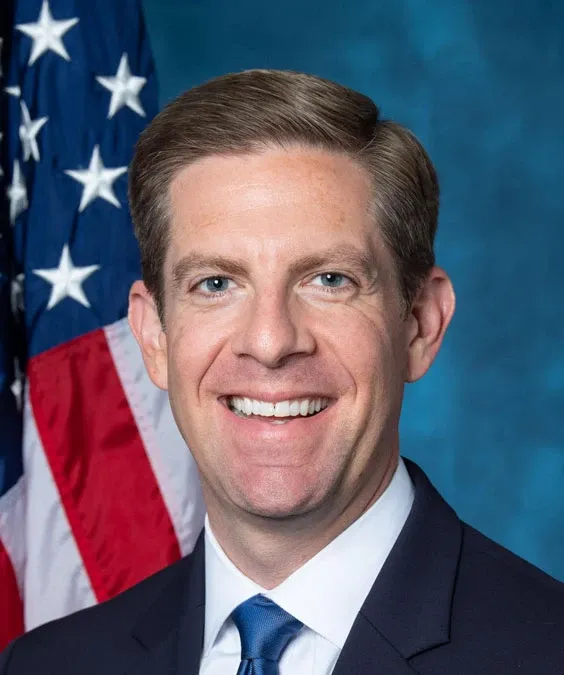
Jared William Huffman is an American politician serving as the U.S. Representative for California's 2nd congressional district since January 3, 2013. A member of the Democratic Party, Huffman has focused on issues such as environmental protection, healthcare, and education during his tenure in Congress. He has been an advocate for science-based policy and has emphasized the importance of government support for scientific research and public safety initiatives.
This bill strengthens how we manage our impacts on marine ecosystems, like improving the management of forage fish and essential fish habitats.
I am a big believer that good process makes good policy, so we started with a process of hearing directly from stakeholders all over the country.
Forage fish, as you have mentioned, are a critical building block of our ecosystem, and they are responsible for supporting a lot of really valuable commercial and recreational fisheries around the country.
H.R. 4690 makes important changes to improve the likelihood that existing rebuilding plans stay on track and are successful the first time.
And, for Members who have expressed concern about better data and science, I will just note that we may have a chance in the days ahead to vote on that.
Fish stocks are shifting, ecosystems are changing, and how we manage fish needs to change as well.
This Act ensures that Tribes can meaningfully participate in fisheries management by creating two Tribal voting seats on the NPFMC.
I'm going to continue reaching out to my friend, Congressman Young, and to his team, in hopes that we can come together on a bipartisan bill.
I think both your bill and Congresswoman Dingell's bill, H.R. 5770, make some really significant strides here both in terms of reducing annual catch limits to account for the needs of these predators.
This bill is the product of a long process of stakeholder engagement by Chairman Huffman and the bill reflects those diverse voices.
I am encouraged to see that the changes to the MSA proposed in the bill will address climate change in the law for the first time.
This legislation is also very heavy on science and data because to keep up with today's fishery management needs, we need to have the best available science.
My bill closes loopholes that prevent effective bycatch management, strengthens protections for essential fish habitat, and amends requirements for fishery rebuilding plan outcomes so that we don't end up in endless rebuilding plan loops.
the document I entered into the record is pretty hard hitting. It takes Trident to task on a number of things.
We will also be examining Congresswoman Debbie Dingell's bill on forage fish conservation today.
One of the biggest significant proposals in the legislation Mr. Case and I are proposing is climate change in fisheries management.
I think people are not only tired of the partisan divides they see with so many issues getting hijacked by partisan agendas, they are also tired of backroom deals.
Removing the qualifier 'to the extent practicable' from National Standard 9 is a much-needed change, which will reorient the MSA toward the original intent of reducing bycatch.
America is truly a leader in sustainable fisheries management, but the MSA hasn't been reauthorized in over a decade.
And there is such a disparity, there is such a double standard here when this year alone the industry captured as bycatch 12,000 Chinook salmon and over 500,000 chum salmon.
Politicians like Jared Huffman