May 19, 2014
Federal Communications Commission had an historic week last week. You are tackling some of the most complex and pressing issues in the communications sector today.
The Public Record
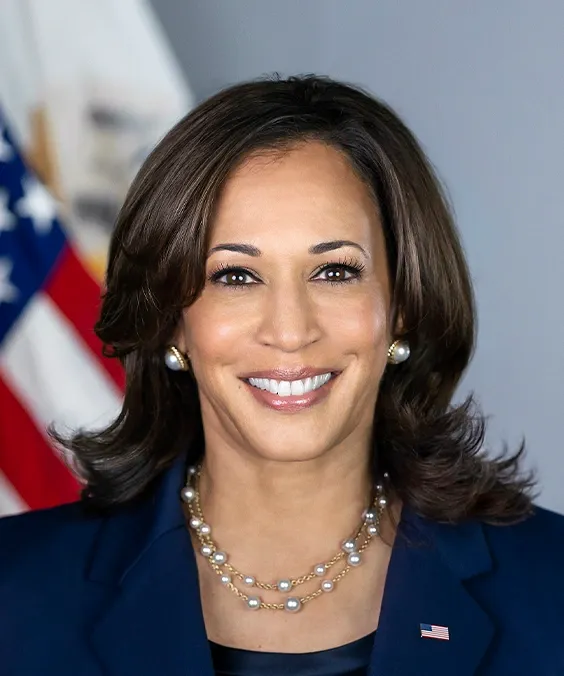
Henry Waxman is a former U.S. Representative from California, serving from 1975 to 2015. A member of the Democratic Party, he was known for his work on health care, environmental policy, and consumer protection. During his tenure, Waxman played a key role in the passage of the Affordable Care Act and was a prominent advocate for climate change legislation. He chaired the House Energy and Commerce Committee, where he focused on issues such as tobacco regulation and health care reform.
Federal Communications Commission had an historic week last week. You are tackling some of the most complex and pressing issues in the communications sector today.
I believe right lines would be much better for the market and for innovation.
I commend you for tackling this issue and for seeking comment on a broad range of issues.
You don't have to settle for weak open Internet rules if you exercise your full powers.
The problem with exclusive arrangements is that they would let some companies block their competition from similar advantages.
American citizens live near this radioactive waste every day, and they deserve nothing less than our best efforts.
The Commission was right to focus on completion of the safety and evaluation report as an important and achievable milestone.
One would think that the agency faced with the plain reading of the statutory mandate, a court order upholding that statute, and a constitutional duty to cooperate with Congress' oversight function would seek clearly to do the right thing.
The DC Circuit Court upheld the NRC's statutory mandate to review and issue a decision on the Yucca Mountain license application.
Earlier in my opening comments, I discussed the tragic impacts of widespread uranium contamination in the Navajo Nation.
Over and over, Republican leaders have fabricated criticisms of the Affordable Care Act and none of them have been true.
Republican leaders said that the ACA would create death panels; well, there are none in the law.
For decades, the Toxic Substances Control Act has operated under an unreasonable risk standard, which requires EPA to perform a cost-benefit analysis to determine whether or not a chemical is to be regulated.
The draft retains the cost-benefit standard, leaving American families, and especially children, without adequate protection.
I think there is a consensus outside this room that the safety standard in TSCA should be risk-based.
Do you think that we can protect our kids and keep industry's costs manageable if we use a risk-based standard that sets a clear goal of protecting health and the environment?
I think many in the public would listen to this discussion and find this proposal morally questionable.
Costs would still come into play in figuring out how best to regulate a chemical, but we shouldn't use cost to determine whether the public should be protected from a chemical exposure.
The bill would even overturn recent reforms made by EPA to enhance transparency.
Unfortunately, if the goal is a broadly supported bipartisan bill, this process is currently failing.
We are here to discuss the epidemic of opioid abuse. The numbers are stark. Each year, approximately 17,000 people die from prescription opioid overdoses, and 3,000 die from heroin overdoses.
For far too long, prescription opiate pain relievers were prescribed too easily, without enough attention paid to the potential risks, and a large number of people became addicted.
Politicians like Henry Waxman