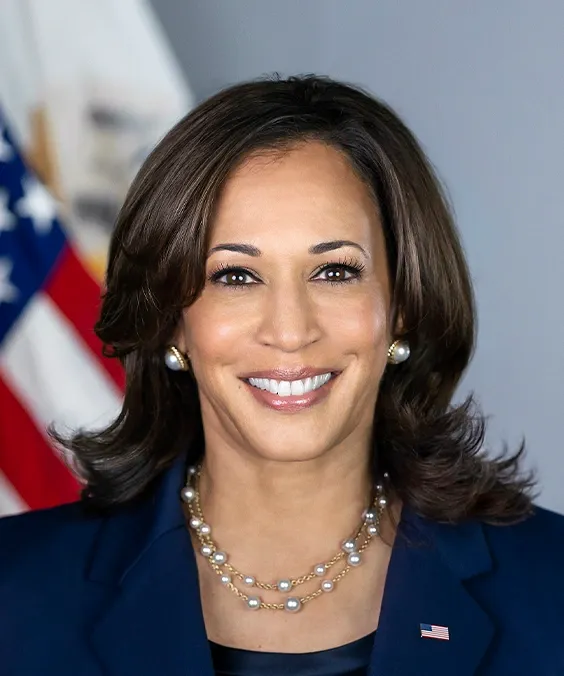
Henry Waxman
The Public Record
Henry Waxman is a former U.S. Representative from California, serving from 1975 to 2015. A member of the Democratic Party, he was known for his work on health care, environmental policy, and consumer protection. During his tenure, Waxman played a key role in the passage of the Affordable Care Act and was a prominent advocate for climate change legislation. He chaired the House Energy and Commerce Committee, where he focused on issues such as tobacco regulation and health care reform.
May 22, 2011
Congress should not be playing this role. The State Department should evaluate the proposal on its merits, not be ramrodded by Congress into approving a boondoggle for the oil industry.
May 22, 2011
Some will say we have to make tradeoffs and sacrifice our air quality for lower gas prices, but with this project, we would be sacrificing our air quality for higher gas prices.
May 22, 2011
True energy security means reducing our oil dependence and moving to cleaner, safer, domestic energy.
May 22, 2011
What is good for oil companies is not always good for America. That is especially true of this proposal.
May 12, 2011
This act is a prudent, balanced proposal that recognizes the benefits of permitting the Commission to do its business collectively.
May 12, 2011
If it is good enough for Congress, the courts, and Holy Mother Catholic Church, it ought to be good enough for the FCC.
May 12, 2011
This proposed legislation is a modest, commonsense, and much-needed reform to modify the closed-meeting rule.
May 12, 2011
I want to applaud Congressman Anna Eshoo and Congressman John Shimkus and Congressman Mike Doyle for the introduction of their FCC Collaboration Act.
May 12, 2011
We should be guided by a few basic questions about each proposed change to ensure that we are promoting smart regulation.
May 12, 2011
He has sought input from all of the Commissioners and Republican and Democratic committee members, and he is committed to explore proposed process reforms in detail before we proceed toward possible legislation.
May 12, 2011
Chairman Genachowski should be commended for his significant efforts and commitment to improving agency operations and boosting employee morale.
May 12, 2011
I hope as this subcommittee moves forward we will try to improve the current process, not turn back the clock.
May 12, 2011
It is not clear to me that Interior's approach provides any meaningful air quality protection.
May 12, 2011
If you just devoted more resources to it, would EPA be able to evaluate a permit application, set source-specific air pollution limits, allow for public comment, and provide for administrative review within a 6-month time frame?
May 12, 2011
The bill sets an extremely tight deadline for issuing an OCS permit, just 6 months before the date a complete application is filed.
May 12, 2011
If the goal here is really to let Shell and other oil companies get out of Clean Air Act requirements, that is something I would strongly oppose.
May 12, 2011
If an administrative process is good enough that Shell wants to keep it for its appeals, it is only fair that we keep it for everyone else.
May 12, 2011
I refuse to believe that we can't address some of the specific problems Shell points to without creating much bigger problems elsewhere.
May 4, 2011
I think we should make sure that all of these analyses used the best available data and incorporate realistic assumptions.
May 4, 2011
Production has increased dramatically since that time. Our domestic crude oil production has increased by nearly 300,000 barrels a day.
Politicians like Henry Waxman