Sep 21, 2011
We should hear from States, industry, public health groups, clean air advocates and other stakeholders before voting on these radical clean air amendments.
The Public Record
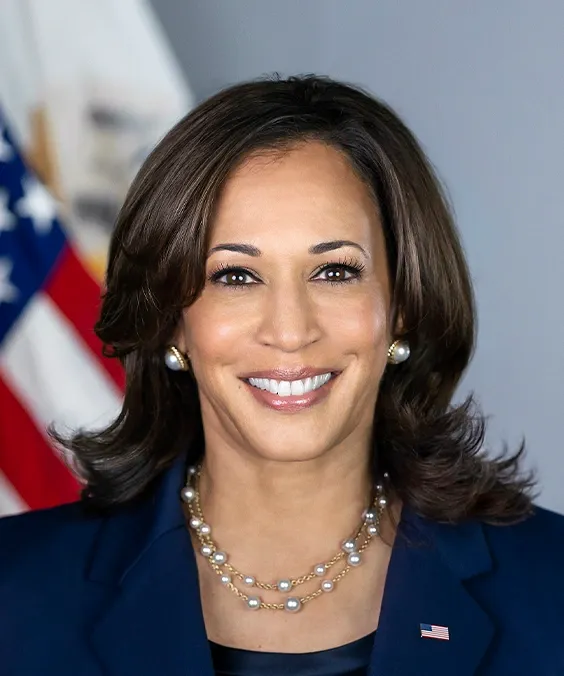
Henry Waxman is a former U.S. Representative from California, serving from 1975 to 2015. A member of the Democratic Party, he was known for his work on health care, environmental policy, and consumer protection. During his tenure, Waxman played a key role in the passage of the Affordable Care Act and was a prominent advocate for climate change legislation. He chaired the House Energy and Commerce Committee, where he focused on issues such as tobacco regulation and health care reform.
We should hear from States, industry, public health groups, clean air advocates and other stakeholders before voting on these radical clean air amendments.
The Latta amendment will reverse 40 years of clean air policy, allowing our national goals for clean air to be determined by corporate profits, not public health.
We should be passing legislation to unleash American innovation and create American jobs in the new energy economy.
I don't think we ought to use this failure of this particular guarantee to discredit was it an important loan guarantee in order to move to be able to compete in this area with China and to move our country away from dependence on fossil…
These are serious allegations. Mr. Stearns said the administration gives 'some of this money out to people who are either contributors or strong supporters.'
Well, who would be against such a thing? Well, I will tell you who would be. Entrenched fossil fuel industry wouldn’t like this.
I was taken aback by the figure that between 1995 and 2010 the share of photovoltaic cells and panels manufactured in the United States dropped from 40 percent to just 6 percent.
No one wants to go and invest in the market in a solar energy, wind power, anything else, unless they know it is really going to return the investment and give them a profit.
As I understand it, in 2005, the Congress passed the Loan Guarantee Program. We did this on a bipartisan basis because we wanted to move forward with these enterprises that would give us renewable and alternative energy rather than…
I disagree vehemently, however, with the policy conclusions my Republican colleagues have already drawn.
Given the bankruptcy of Solyndra and the dollars now at risk, we have an obligation to the taxpayer to investigate the transaction thoroughly.
I have a hard time reconciling those representations with the company's decision to file for bankruptcy 1 month later.
We need to understand what happened, who should be held accountable, and how we can avoid future losses.
Today, we are holding a hearing on the loan guarantee provided by the Department of Energy in 2009 to Solyndra.
The combination of those two regulations would also be a substantial increase in costs, in some places as much as 23 percent increase in the cost of electricity prices.
The law requires cumulative analysis. Under Executive Order 13563 signed by President Obama in January of this year, federal agencies must assess the cumulative impact of their proposed regulations including costs.
The EPA has clearly failed to assess the impact of that rule on a cumulative basis in light of its other promulgated, proposed and pending regulations governing electric power generation.
I understand, we have been under federal consent decrees and we can't get out from under them.
The grid is very interdependent, that these disruptions in one location can have far-reaching consequences.
The FERC staff started this project in the summer of 2010 before EPA had proposed or finalized certain rules.
I fully agree with him and I look forward to working with him to reduce some of the rhetoric.
The first time they did this assessment in July 2010, the estimate was that 81 gigawatts of coal generation were likely or very likely to retire.
Politicians like Henry Waxman