Apr 18, 2012
We should not eliminate liability from harm caused by MMT, but that is what this bill does.
The Public Record
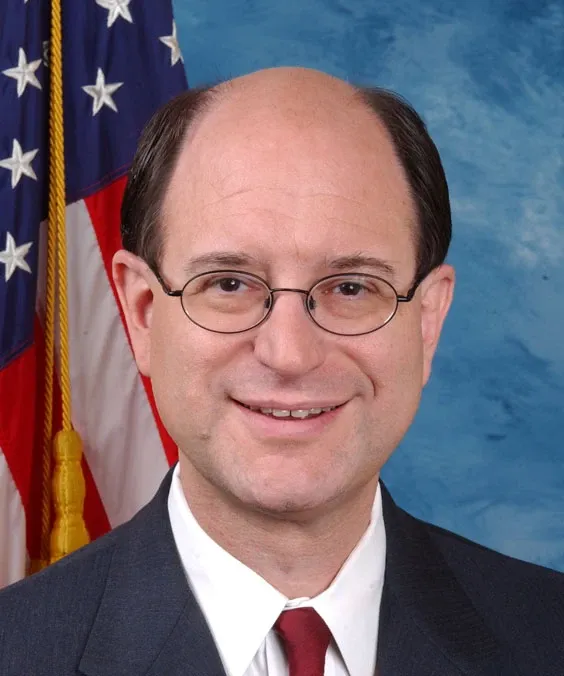
Henry Waxman is a former U.S. Representative from California, serving from 1975 to 2015. A member of the Democratic Party, he was known for his work on health care, environmental policy, and consumer protection. During his tenure, Waxman played a key role in the passage of the Affordable Care Act and was a prominent advocate for climate change legislation. He chaired the House Energy and Commerce Committee, where he focused on issues such as tobacco regulation and health care reform.
We should not eliminate liability from harm caused by MMT, but that is what this bill does.
This legislation would remove all liability for harm caused by these fuels and fuel additives.
The LPAD offers an approach that I think should be given serious consideration because it has a potential to get important new antibiotics into market more quickly than usually possible.
We must worry not only about patients receiving medications that could be dangerous to them because their safety has not been established in broader populations.
I don't think we just want any antibiotics. We don't need two versions of the same antibiotics we already have.
I believe that Congress ought to define the problem that you are trying to address.
You don't want to set up an incentive program, in my opinion, that drives developers toward the broadest market.
I think this legislation should be narrowly targeted and only apply to antibiotics approved for serious or life-threatening diseases.
I think whenever we talk about adding new exclusivity, we need to ensure that it is truly necessary.
If you feel you need stronger or clearer legislation in that area, let us know because we are concerned about whatever, even a handful of devices that may be harmful.
No one is served by adding controversial proposals to the bill. That would only serve to slow the process.
I am pleased with the progress that we have made on this user fee package thus far.
I appreciate the FTC has used its report to once again bring attention to offline data collection.
Democrats want to work with House Republicans to develop bipartisan Federal communications policies to help our economy and the American public and to make sure the FCC is doing its job. But we can't do this when the only proposals that…
The goal if you want to make the economy more resilient to the inevitable rising prices driven by other countries and the inevitable price spikes driven by, you know, disasters or conflict in other countries, is to make this country less…
The real answer to gas prices is to reduce our dependence on oil, which means transitioning to alternatives.
Instead they will block pollution controls, increase health costs for Americans, diminish our energy security, and create pointless new government bureaucracies.
Today's bills may win the prize for legislative false advertising. These bills will not reduce gasoline prices by a single penny.
Cleaning up vehicles and fuels is a highly cost effective way to reduce air pollution and keep our children and families healthy.
Oil imports have fallen from 60 percent to 45 percent. Last year the U.S. became a net exporter of refined products for the first time since 1949.
Politicians like Henry Waxman