On the recordNovember 17, 2022
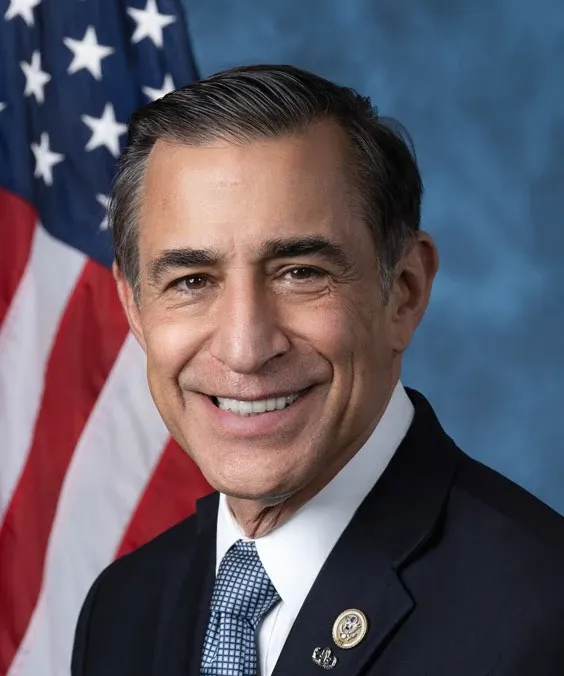
Today, I am here to talk about reopening the very building in which we stand, the United States Capitol. It has been 2\1/2\ years since Speaker Pelosi closed the people's House and told Americans it was part of our united effort to stop COVID-19. Over the last year, we have seen a sharp decline in hospitalizations and deaths from COVID. In fact, just 2 months ago, President Biden even declared the pandemic was over. Yet, certain protocols remain from the height of the pandemic. Today, when constituents come to visit my office, they need to be personally escorted around by staff. They have to be a small group. They can't go to the House gallery to watch votes take place, and my staff is only allowed to give a tour once a week. If the Speaker is really trying to prevent the spread of COVID, why is she forcing people to gather in large crowds around security checkpoints? This is the people's House, yet we continue to deny access to the people, the very people who elected us to serve them, the very people whose taxes fund our operations. Because of these regulations, I have had to turn several of my constituents away. Not only do these regulations make it difficult to welcome every group into my office, but it also affects the function of all House offices.…
Source
govinfo.gov