Apr 18, 2023
These communities want broadband connectivity, and with the funding included in the bipartisan infrastructure bill, we have historic opportunity to provide it.
The Public Record
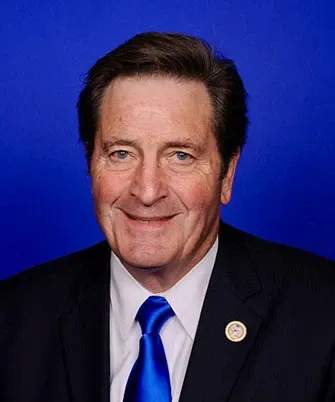
Doris Okada Matsui is a member of the United States House of Representatives, representing California's 6th congressional district since January 4, 2005. A member of the Democratic Party, she has focused on issues such as healthcare, education, and environmental protection throughout her tenure. Matsui has been an advocate for technology and innovation, particularly in relation to the Sacramento region's economy.
These communities want broadband connectivity, and with the funding included in the bipartisan infrastructure bill, we have historic opportunity to provide it.
Access to reliable high-speed internet is essential in our increasingly digital society, and I'm proud of the work this committee has done to bridge the digital divide in America.
Much like dig-once, I really think this type of colocation can speed broadband deployment.
Last year I wrote a letter to the Biden administration urging the Departments of Transportation and Energy, along with NTIA to coordinate on the deployment of electric vehicle charging and broadband infrastructure.
If we're able to find bipartisan solutions that speed broadband deployment, we can accomplish a goal shared by all members of the subcommittee.
Social media and online platforms have shown consistent success in preventing many forms of objectionable content.
I believe the central tenant is flawed. Modern platforms consciously promote some speech over others.
I believe it is imperative that the app takes steps to moderate that behavior rather than continuing to promote it.
I am concerned about the app's tendency to exacerbate existing mental health challenges.
This bill would require online platforms to publish annual public reports detailing their content moderation practices.
I am especially committed to demanding transparency from large platforms about the algorithms that shape our online interactions.
Make no mistake, the Chinese Government represents a real and immediate threat.
I want to see this fund modernized to give agencies more flexibility and ensure they have the tools they need to meet their missions.
I introduced the CHIPS Act with Congressman Michael McCaul to reassert America's leadership in the semiconductor industry.
In both Congress and the executive branch, clear delineations of jurisdiction help promote efficiency and productive collaboration.
This is, in part, because Senators have been receiving conflicting messages from the executive branch, a problem that has been plaguing administrations of both parties for years.
This extension was intended to give us time to continue negotiating while preserving the vital authority of the Commission. Unfortunately, that bill fell on deaf ears.
To say this hearing comes at an unprecedented time is no overstatement. We are here today under alarming circumstances during a lapse in the FCC's auction authority, something that has never happened before.
Chairwoman Rosenworcel is doing what she can with the resources she has to keep the FCC responsive.
Satellite systems are capable of providing service globally regardless of where they are licensed.
The FCC has several proceedings before it with implications for the satellite ecosystem, including the 12 gigahertz proceeding.
Two years ago, I wrote then-President-elect Biden, urging him to develop an administration spectrum strategy that is persistent, concerted, and effective.
It's important to get policy in this space right, and I'm looking forward to additional conversations on this bill.
During emergencies like wildfires, these alerts need to be accurate and timely, no exceptions.
Politicians like Doris Matsui