Jul 12, 2023
I think it's important to consider given where they are and the instability they have there.
The Public Record
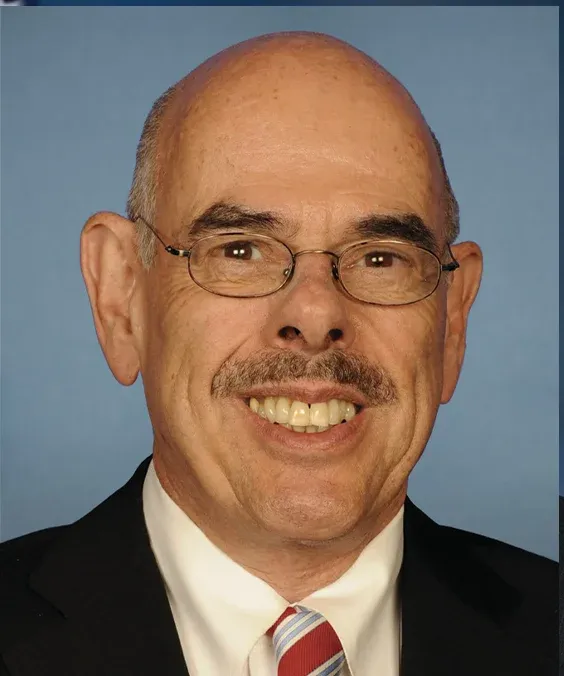
Ami Bera is an American physician and politician currently serving as a member of the United States House of Representatives from California's 7th congressional district since 2013. He is a member of the Democratic Party and has focused on issues such as healthcare, education, and environmental protection during his tenure in Congress. Bera has been involved in various legislative efforts aimed at improving access to healthcare and addressing climate change.
I think it's important to consider given where they are and the instability they have there.
It's going to be very difficult, because, you know, you were awarded the compact.
We think that if we were able to repeal it, we would then be able to offer permanent normal trade relations.
I'm proud to co-lead the bipartisan Kazakhstan Permanent Normal Trade Relations Act of 2023.
Jackson-Vanik is an outdated Cold War relic that originally targeted the Soviet Union and aligned communist countries.
And lastly, you know, as we think about, you know, the two decades long war with Afghanistan, the one way we can adequately honor our men and women that served in Afghanistan, is to make sure those refugees that have come to the United…
We've introduced legislation with some of our colleagues in a bipartisan way on the Ways and Means Committee to repeal Jackson-Vanik to allow our companies too more fully engage in Central Asia.
I was really disheartened to see the House Appropriations Committee Republicans pass their Fiscal Year 2024 state foreign ops and related programs appropriations bill with a 15 percent cut in spending from Fiscal 2023 levels.
And, to that note, the Afghan Adjustment Act has been reintroduced. And, I think, this is an incredibly important piece of legislation.
We have to have robust funding to provide alternatives to China's Belt and Road Initiative.
Budgets reflect our values and priorities. And again, my disappointment in the 15 percent cut.
The Western Hemisphere is currently facing the biggest migration crisis in decades, fueled by political turmoil, failing institutions, and climate change.
The vast majority of weapons used by cartels in Mexico and the Caribbean originate in our Nation, the United States.
Unfortunately, some of the recent ideas proposed by some of my colleagues, including bombing the cartels, are putting American soldiers at risk in Mexico and are not serious or credible ideas.
It is not only beneficial but essential that we work with our neighbors on issues from migration to democracy promotion and security cooperation.
I have long stated that our neighbors to the south are our most important allies.
I'm very supportive of AUKUS, very supportive of our working with our allies, but it is in response to the PRC's aggression in the maritime space.
We are actually talking about active outreach to the Indian-American community about this issue because if we can prevent these abductions we're so many steps ahead.
If a woman, let's say, is the victim of domestic violence here in the United States she needs to avail herself of the protection and resources that are available in the United States.
I'm the senior Indian-American Member of Congress and, you know, India has not acceded to the Hague Convention.
The truth is, we would like to maintain the status quo, which has lifted all the countries in that region through a rules-based order.
I do not think Democrats and Republicans think about this issue in different ways.
We spend a minuscule amount and while we spend more than any other country in the world.
Politicians like Ami Bera