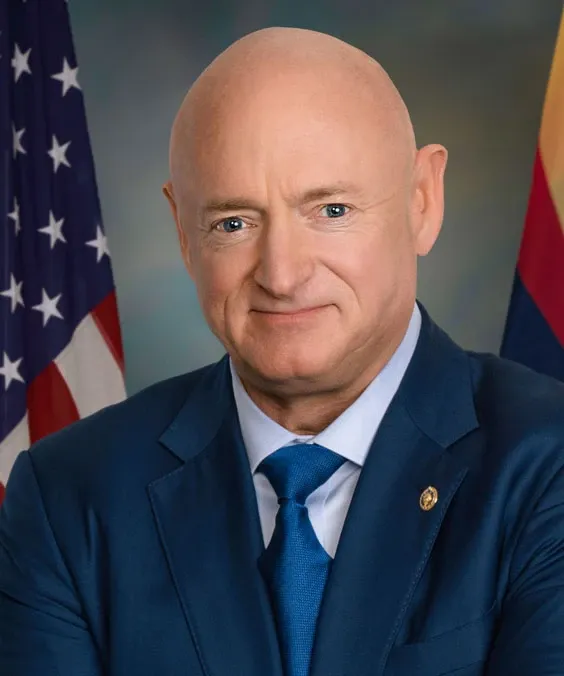
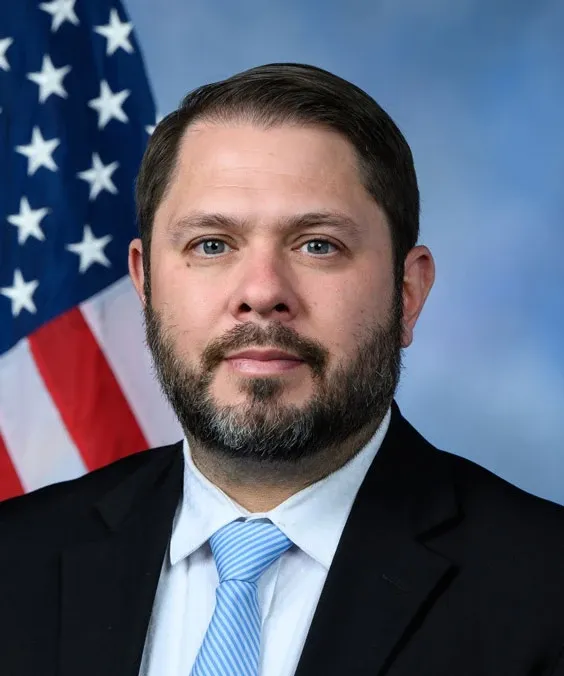
Raúl Grijalva
The Public Record
Raúl Manuel Grijalva is an American politician serving as the U.S. Representative for Arizona's 3rd congressional district since 2003. A member of the Democratic Party, Grijalva has been an advocate for environmental protection, education, and healthcare reform throughout his tenure in Congress. He has played a significant role in various legislative initiatives, particularly those aimed at addressing climate change and promoting social justice.
Jan 30, 2024
The bill gives anyone the ability to stake a mining claim, whether there are valuable minerals on the land or not.
Jan 30, 2024
We urge Congress to reject legislative proposals that make this colonial-era law worse.
Jan 30, 2024
Future exploration or mining activities at the site not only threatens the health and welfare of tribal members.
Jan 30, 2024
The 1872 Mining Law is an outdated law that has failed to protect communities like mine.
Jan 30, 2024
We cannot have meaningful tribal consultations as long as the mining industry has the automatic right to mine wherever they stake a claim.
Jan 30, 2024
This bill is not just a give-away to the mining industry. It is a wholesale giveaway of our public lands.
Jan 30, 2024
This law would apply to all of our public lands, including national parks, wilderness areas, and BLM land.
Jan 30, 2024
You are hearing that correctly. Any American, or notably, any American subsidiary of a foreign company could have the exclusive rights to our public lands for about $10 per acre per year.
Jan 30, 2024
This imbalance of power has resulted in over a century of ongoing toxic mines, scarring our landscape and poisoning our communities.
Jan 30, 2024
To me, the people, the first people of this country, the Native Americans, we are second-class citizens still.
Jan 29, 2024
Fractionated land makes land use planning extremely difficult, cumbersome, and often impractical.
Jan 10, 2024
The transition as though it was an impediment to dealing with critical issues in this country, as opposed to a goal that needs to be followed assertively and aggressively for the future.
Jan 10, 2024
And study after study has confirmed the point that you are making, that there is a cumulative impact on public health, that there is a cumulative impact in the long run, and that industry and regulators bear a tremendous responsibility for…
Jan 10, 2024
The U.S. Government spends $649 billion per year on fossil fuel subsidies, according to the International Monetary Fund.
Jan 10, 2024
On behalf of Consumer Energy Alliance (CEA), its more than 350 member organizations and more than 500,000 individual members, thank you for the opportunity to testify during the Energy and Mineral Resources Subcommittee Hearing.
Jan 9, 2024
Based on the OIG's findings in its September 2023 report on the National Park Service's (NPS) deferred maintenance management, please explain the primary reasons that NPS deferred maintenance costs have increased since Fiscal Year 2021.
Nov 29, 2023
Again, in our view, this amendment is unnecessary, but it is not actively harmful, either. I hope we can move on. I hope that everybody is satisfied, that they got their little clips done in terms of being strong, hard, anti-immigrant…
Nov 29, 2023
As a reminder, seeking asylum is a human, legal right protected by international law and United States law, period. Instead of wishing that that was not the case, Republicans should work with Democrats and the administration to move a…
Nov 29, 2023
I think a soft reminder is important now, as we point to these asylum seekers and those who are seeking refugee status in this country and those who are going through the immigration process. It is important to note that they are not the…
Nov 20, 2023
The Western Shoshone Defense Project (WSDP) firmly opposes the Mining Regulatory Clarity Act, which represents an unprecedented giveaway of public lands to mining corporations.
Politicians like Raúl Grijalva