Jul 22, 2014
I think we should not move this law forward, and honor the commitment that we made in 1986.
The Public Record
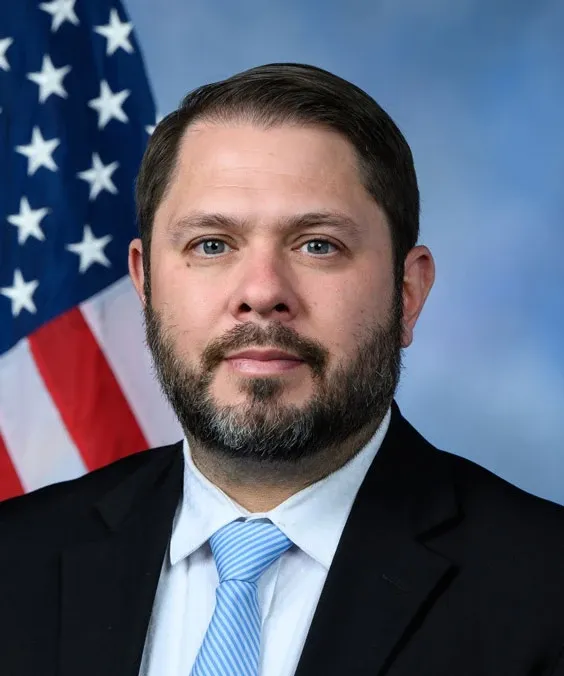
Raúl Manuel Grijalva is an American politician serving as the U.S. Representative for Arizona's 3rd congressional district since 2003. A member of the Democratic Party, Grijalva has been an advocate for environmental protection, education, and healthcare reform throughout his tenure in Congress. He has played a significant role in various legislative initiatives, particularly those aimed at addressing climate change and promoting social justice.
I think we should not move this law forward, and honor the commitment that we made in 1986.
One of my primary concerns continues to be the performance and legal limitations of the National Indian Gaming Commission.
I share the objections of many Arizonans when I see a casino being air-dropped into the metro Phoenix area.
What would--that effort you described, and the example that uses the buffalo grass, how would this legislation affect that?
Their reliance on the categorical exclusion, would that facilitate the use of any compound?
Yes, you are protecting waterways, 1,000 feet from. If you are looking at long-term environmental effects of a use of a particular chemical, don't you think that is important to know ahead of time?
Climate change is not a democratic, liberal, or even a regional-specific issue. It is a bipartisan issue that affects the entire world, and Congress cannot afford to ignore it.
Climate change is bigger than winning elections or scoring political points. It is our society's biggest challenge.
Thank you, Mr. Chairman. Mr. Wick, the idea that grazing can improve rangeland health and increase the potential for carbon soil sequestration gained attention when Allan Savory gave a TED talk last year.
If you manage so that you cover the ground, and you have more productive plants that then cover the ground all the time, you mitigate, you increase the ability of that ecosystem to survive the dry periods.
Ranking Member Grijalva's suggestion that carbon sequestration 'sidelines' the grazing fee discussion.
Politicians like Raúl Grijalva