Jul 23, 2014
The issue should be improving relationships, and that improvement is a two-way street that requires dialog and partnership, not name-calling and disengagement.
The Public Record
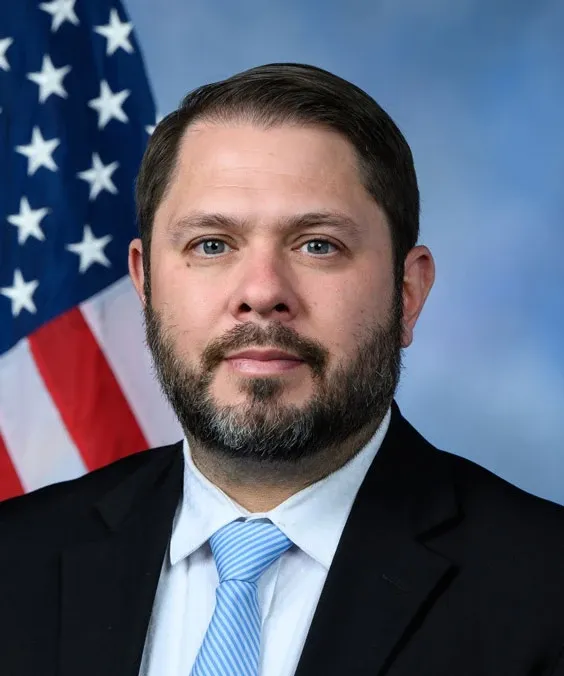
Raúl Manuel Grijalva is an American politician serving as the U.S. Representative for Arizona's 3rd congressional district since 2003. A member of the Democratic Party, Grijalva has been an advocate for environmental protection, education, and healthcare reform throughout his tenure in Congress. He has played a significant role in various legislative initiatives, particularly those aimed at addressing climate change and promoting social justice.
The issue should be improving relationships, and that improvement is a two-way street that requires dialog and partnership, not name-calling and disengagement.
The argument that I have heard you make is that the Federal grazing permits are... a form of private property.
That legislation was introduced by an icon of our State, Congressman Mo Udall, and co-sponsored by another icon from our State, then-Representative John McCain.
The bottom line is that Congress' failure to act will result in substantial injustice to Arizona tribes and local communities.
Thank you for holding the July 23, 2014 hearing and allowing Congressman Raul Grijalva, Congressman Paul Gosar, Mayor Jerry Weiers, Chairman Ned Norriss and President Diane Enos to testify on H.R. 1410.
The suffering of the people who live in the san Lucy District and the economic harm the destruction did to the nation as a whole are well documented.
I worked closely with the late Senator Dan Inouye to work to develop IGRA in response to the Supreme Court's landmark Cabazon decision.
Inaction on H.R. 1410 will signal that Congress is unwilling to address a metastasizing problem.
This plan by the Tohono O'odham of building an additional casino in the Phoenix-metro area directly violates promises.
Failure to act is picking a side and it is picking the side that knowingly took actions to conceal the truth and hurt other tribes.
Most of the Tohono O'odham nation's reservation and its 32,000 enrolled members are located within my congressional district.
I believe that it has achieved a careful balance between the concepts of tribal sovereignty and States' rights.
Politicians like Raúl Grijalva