Mar 18, 2013
If we can't fix this problem, we will do what Secretary Panetta described as cuts that would decimate our defense.
The Public Record
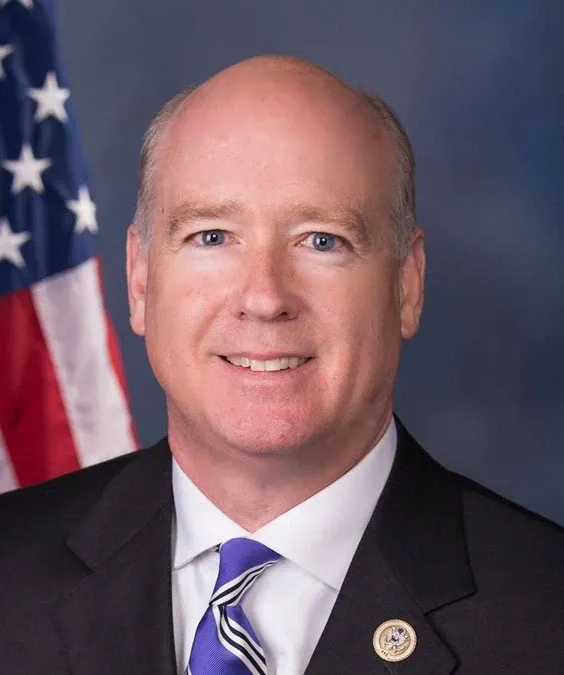
Mike Dennis Rogers is a former U.S. Representative for Alabama's 3rd congressional district, serving from 2003 to 2015. A member of the Republican Party, Rogers held various influential positions in Congress, including Chairman of the House Permanent Select Committee on Intelligence. During his tenure, he focused on national security and intelligence issues, advocating for policies to strengthen the military and enhance oversight of intelligence operations.
If we can't fix this problem, we will do what Secretary Panetta described as cuts that would decimate our defense.
The Triad of SSBNs, ICBMs, and nuclear capability heavy bombers all with their associated support elements offer a mutually reinforcing strategic package that provides a credible deterrent to our adversaries, assurance to our allies and…
I believe that the commanders of STRATCOM are interested in preserving the diversity of the U.S. arsenal so that we can safeguard our ability to deter war.
The reason why I am asking is because when I look at your report, about half the footnotes are footnotes referencing your own writings. Why is that?
I am in complete agreement with that. I think that we need to have verifiable treaties that go through the Senate, the regular order process.
General officers from the current Commander of STRATCOM... have rejected Global Zero's recommendations.
You did not forewarn us that this was coming. You did not ask advice about how we should handle it.
I agree with that. My concern is, there has been some press reports that the Administration has given guidance to maximize the pain in the sequestration to demonstrate to the public these cuts are unreasonable.
I hate to waste time in this hearing on a parochial issue, but apparently I have to since your staff has not been able to handle this for me.
Well, I appreciate it. I understand my staff has been in contact with your staff, and I understand that you may not be able to do a waiver but we could do a land swap.
I have a church in my district called the Union Baptist Church. It has had a permit for a cemetery since 1954.
My concern is, there has been some press reports that the Administration has given guidance to maximize the pain in the sequestration to demonstrate to the public these cuts are unreasonable.
But now it is getting to the point where we can't staff every program that we have at the requirement that we would need.
We tried to find efficiencies. We did, we think, find efficiencies, that we could kind of wring out some savings in the committee.
Thank you, Madam Chair. And it is exceptionally good to see you there in the chair this year. Congratulations.
We are continuing our review on the Benghazi terrorist attacks and it is going slower than we want because we can't apply the right personnel resources to the task.
Negotiations with the White House on the 'Cyber Intelligence Sharing and Protection Act' are underway and that the parties are 'very close' to agreeing on the role that the Department of Homeland Security would play to better defend…
I want you to recognize we are as serious as a heart attack about what has just happened here and staying after it, and we expect it to be remedied.
If previous studies have repeatedly noted the same problems--for instance, confused lines of authority, responsibility, and accountability--why have they not been addressed? Why have prior attempts to implement change at NNSA failed? What…
The thing that I hope you take away from this, Mr. Secretary, is you have got to be capable of reforming yourself.
It is astounding to me, we are not talking about an equipment site, we are talking about nuclear materials.
Who is responsible for establishing line authority within the Department of Energy?
If a report comes out and says, we have a flawed culture of security problems at Y-12 comes out, that should have been presented to the chief of security.
Politicians like Mike Rogers