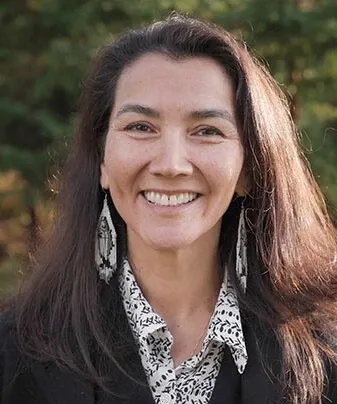
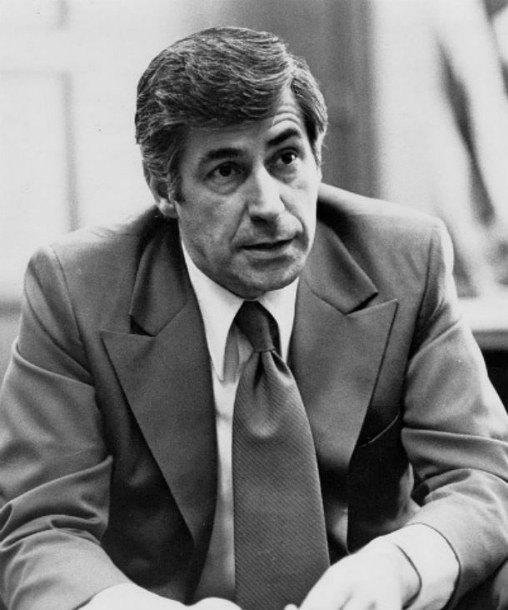
Mark Begich
The Public Record
Mark Begich is an American politician who served as the U.S. Senator from Alaska from 2009 to 2014. A member of the Democratic Party, he focused on issues such as healthcare, veterans' affairs, and economic development during his time in office. Begich was known for his efforts to advocate for Alaska's unique needs and challenges, including those related to energy and the environment.
Mar 10, 2009
Just 5 years ago, they voted overwhelmingly to require a special election in the case of a vacancy in Alaska's U.S. Senate seats.
Mar 10, 2009
I am honored to be an original cosponsor of Senate Joint Resolution 7, along with Senator McCain.
Mar 9, 2009
Can you give me just a brief overview--and again I do not want to get into the great debate on this topic today--on what some of the discussion might be around it?
Mar 2, 2009
You can write all the legislation you want, but you do not change the culture.
Feb 25, 2009
I appreciate it. My point is at any level trying to inform the consumer is what I--when I saw the hearing on the schedule, to me is very important.
Feb 25, 2009
I mean, you know, most people would look at this company and not consider them, you know part of the scam. But the fact is that you have that kind of interest rate is a loan shark rate. I mean, it's outrageous.
Feb 25, 2009
Today we have major problems. And I tell you in Alaska we just did a huge case against several lenders for fraud.
Feb 25, 2009
There are already, I know, really good relationships for certain services between the VA, the DOD, and the Indian Health Service.
Feb 25, 2009
I know there is an argument that, well, VA does not have a budget line for that, and then there is this other argument.
Feb 25, 2009
That is why in your comment that you said about mileage versus how many miles away by road, you know, we measure by air because that is how we can get to locations.
Feb 25, 2009
Given what we are addressing, given what we have heard of returning military, to go the extra mile to be able to serve those people, we will do anything that is necessary.
Feb 25, 2009
There is no State more rural than Alaska, and how you deliver health care systems up there causes grave concerns.
Feb 11, 2009
Will you use your office to lead this effort, once and for all, to get a combined effort from a budgetary standpoint and from reaching the policy goals?
Feb 11, 2009
I believe that this is actually an opportunity to have a productive Federal-State dialogue about practices in either State waters that affect Federal waters or Federal waters that affect State waters.
Feb 11, 2009
I should announce, incidentally, before I call on Senator Snowe, that both Senator Hutchison and I read the FBI checks on these two distinguished folks, and it is some of the easiest reading I have ever been through.
Feb 10, 2009
That is just a production number. It is 'get your widget done and move on.' That is very dangerous when you are dealing with service requirements.
Politicians like Mark Begich