Feb 15, 2010
Was the assumption that when you saw the veterans' coordinator, you had a broader sense of what they were offering, but learned it was really about financial aid.
The Public Record
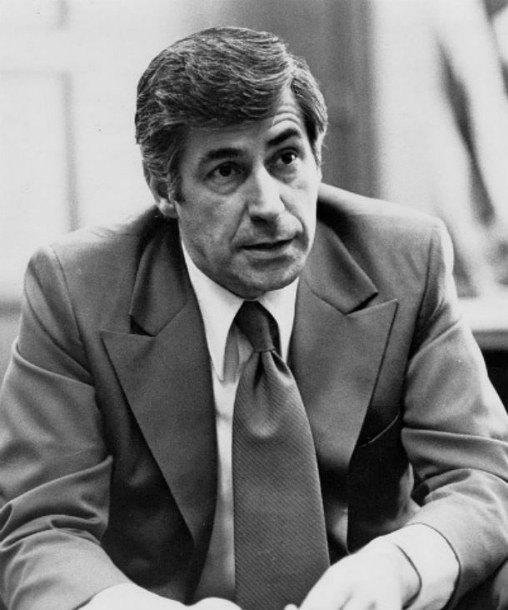
Mark Begich is an American politician who served as the U.S. Senator from Alaska from 2009 to 2014. A member of the Democratic Party, he focused on issues such as healthcare, veterans' affairs, and economic development during his time in office. Begich was known for his efforts to advocate for Alaska's unique needs and challenges, including those related to energy and the environment.
Was the assumption that when you saw the veterans' coordinator, you had a broader sense of what they were offering, but learned it was really about financial aid.
I'm learning that in DC, you can be calling just a few miles and have a whole different area code.
Thank you for being here with the ESGR and a great group of supporting our employers supporting the Guard.
Excellent. That will assist you in your efforts. Fantastic. That's great news.
Is it possible--I'm going to move to two last questions for a couple of folks remaining here--but I want to first thank you folks for testifying for the record.
Thank you for the work I know you did along with C.W. on the ATG, making sure those individuals received the benefit that they justly deserve.
Don't limit what the potential is if there's a law that says you can't cross the line because the real end product here is about service to the veteran.
It would be a shame to have a veteran who lives literally right there to be forced to go to another place because we don't have arrangements with IHS.
Thank you very much. Our last person on this panel is Verdie Bowen who is the administrator, Office of Veterans Affairs, Department of Military and Veterans Affairs for the State of Alaska.
Should it--if I can add a comment--should it be not only the supervisor, but the division or the department as a unit?
So, I guess, here's why. I think you will find in Alaska, those who are familiar with our Indian Health Services here, it is a robust and very successful program.
I just want to make sure the Fairbanks folks hear exactly what we talked about in Anchorage also.
There is no disagreement to fix those problems; you agreed with the recommendations.
That's great. I mean, you told me about it a little bit and that's why I wanted you to kind of expand a little bit here.
Can you, for the audience that's here and because I didn't ask you this yesterday, just describe a little bit about how that works.
I want to thank you. I'm going to zip over, take a few minutes and go until about ten after.
Politicians like Mark Begich