Feb 25, 2010
The public has spoken, and they want transparency. They want it clean, they want it simple, and they want to understand what it is talking about, without this whole business of jamming in things left and right. Here, this is simple…
The Public Record
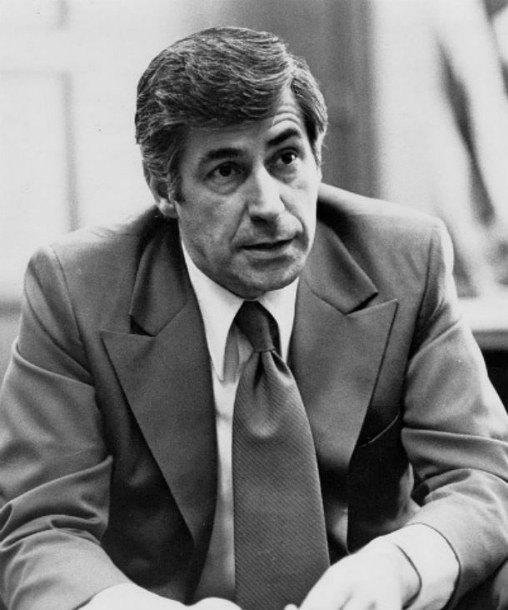
Mark Begich is an American politician who served as the U.S. Senator from Alaska from 2009 to 2014. A member of the Democratic Party, he focused on issues such as healthcare, veterans' affairs, and economic development during his time in office. Begich was known for his efforts to advocate for Alaska's unique needs and challenges, including those related to energy and the environment.
The public has spoken, and they want transparency. They want it clean, they want it simple, and they want to understand what it is talking about, without this whole business of jamming in things left and right. Here, this is simple…
I know we talked about unemployment which is a significant piece of this bill. I also want to point out there are other pieces. I want to make sure I am correct. Maybe the Senator could clarify this. I know he mentioned in the very early…
People will make some decisions--the economic decision versus maybe convenience.
If you keep a strong maintenance, you are kind of getting to ground zero. But you are now forward thinking.
2.7 million people are no longer insured through private insurance. The odds are there are veterans there.
Telehealth is a huge investment for us. We see this as the next step in the delivery of health care in VA, even the country.
We are seeing 40,000 patients on average per day involved in that program, and I am expecting to see this grow exponentially over the next several years.
You have a hefty job by moving a large ship--a large budget of $100 billion plus.
I really felt we tackled employment issues, as well as VA health care issues.
I think we had a similar conversation about this, and I guess I would like you to expand, if you could, on what efforts you see in the long term as well as in the medium term of how veterans access services where they are starting to live…
My point is there seems to be, at least from the review of some of the records that I have seen, an inconsistent effort in making sure that you have the right people working for you.
It's better to find those ideas, see where we can improve, recognize criticism is not a negative, but it's a positive to improve a system.
I'm just a big fan of encouraging because we have--it's no criticism to the VA; it's a criticism to kind of our bureaucracy of how we do business.
Is it because they have to go to Alaska or is it because of the cost, or that the income is not as great as they could get doing it elsewhere, or it's a family--what's the draw here?
What we have to figure out is what we can do in the education arena to try to entice people, one, to enter the field at the front end.
I was very intrigued by your comments about the Federal Government and that we could be doing more with our mid-level management regarding education on the importance of the program.
I agree with you on the efforts of--on the issue of the Congress and how they can really mess things up
Would it have made a difference if when you walked in to the university for the first time and you wanted to be a student, that there was a person that said they work with veterans and they worked on everything: financial aid, services…
I hear you. Thank you, Linda. That was very good. That helps me with some additional work.
Very good. This is much better than the Anchorage assembly room, I want you to know.
Thank you very much. I have to tell you, when you mentioned that Power Point yesterday, I could not imagine sitting in a training program, seeing 240 Power Point slides and thinking that's going to get me excited.
You've given me some real good food for thought here. I greatly appreciate that.
Politicians like Mark Begich