Mar 26, 2013
I think is going to be very beneficial for us as we move forward on marine transportation through the Bering Sea.
The Public Record
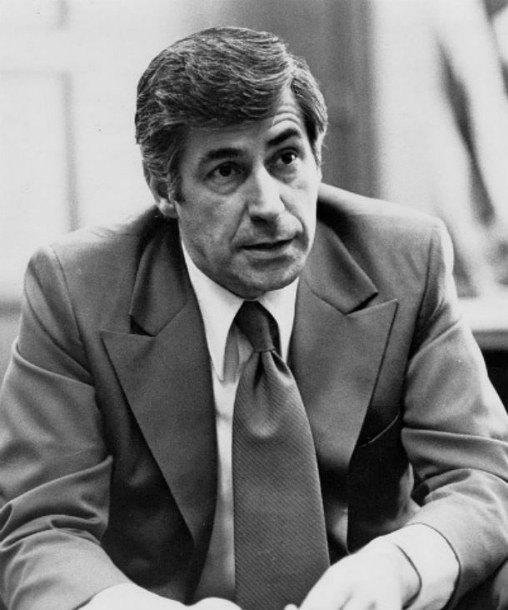
Mark Begich is an American politician who served as the U.S. Senator from Alaska from 2009 to 2014. A member of the Democratic Party, he focused on issues such as healthcare, veterans' affairs, and economic development during his time in office. Begich was known for his efforts to advocate for Alaska's unique needs and challenges, including those related to energy and the environment.
I think is going to be very beneficial for us as we move forward on marine transportation through the Bering Sea.
Your desire was to determine how you make this more permanent so it's not just at the whim of the current president
I think this is a simple question, and that is the interagency working group, I'm assuming that it is working well.
The increasingly open Arctic Ocean also presents unique opportunities for our nation, and specifically for the people of Alaska.
This is an area of success from the 2012 experience that should be carried forward and improved upon further in the future.
Arctic development, oil and gas exploration, shipping, tourism is happening in our Arctic waters now.
Let me say for all of you on this panel, I have to say that each one of you gave recommendations...
I think what I heard and gathered from your testimony is Port Clarence is one piece of the equation, but not the answer only by itself.
I think your acknowledgement will be yes, but without it you have these ups and downs in research.
I know we will have more questions for you we will present through the record.
The Coast Guard in Alaska will continue building its strategy using a whole-of-government approach that will inform national dialogue and policy and development of the Arctic region.
We need to get things in place there that are going to be some economic advantages for the region.
I suggested upwards of $2 billion, because when you do these port developments, it's a combination of private sector money, equity, some free capital, grants, and reasonable-cost loans.
So just to make sure I got this right, I know that Under Secretary Hayes is working on a broader Arctic policy for the White House and developing that through the Secretary's office and the Interior Department.
It's not about necessarily one port or one super port. It's about kind of a sequence of resources available.
The consequences of losing a treasure like the Arctic are simply unacceptable.
Oil and gas development is important, but in the sense of shipping, the amount of movement of ships in the Arctic and the Bering Sea is increasing at a dramatic pace
Politicians like Mark Begich