Mark Begich
The Public Record
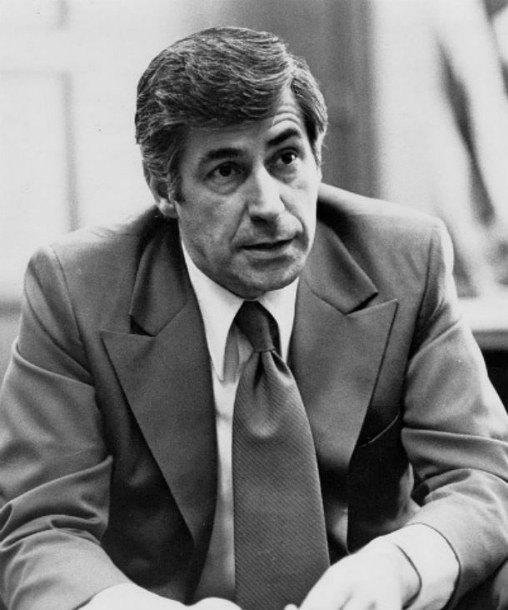
Mark Begich is an American politician who served as the U.S. Senator from Alaska from 2009 to 2014. A member of the Democratic Party, he focused on issues such as healthcare, veterans' affairs, and economic development during his time in office. Begich was known for his efforts to advocate for Alaska's unique needs and challenges, including those related to energy and the environment.
Jun 5, 2013
Icebreakers are sorely lacking as well as Coast Guard cutters, aircraft hangars, crew quarters, communication capabilities, deepwater ports and other infrastructure.
May 22, 2013
Can I get a commitment from you that you will reexamine the decision of the hiring freeze and how they are handling furloughs in the Weather Service?
May 22, 2013
I want to just say that when you start to talk about Pebble Mine, a mine in Alaska, we would encourage you to talk to us also.
May 22, 2013
This is not the best way to do it. It is going to have a negative impact on the outcome, the product that we need for situations like in Oklahoma or Sandy and otherwise.
May 22, 2013
We have been on the forefront of telehealth and many different avenues from health care to mental health.
May 22, 2013
Why don't we just take the clinic that the VA has, take the space that is beautiful space, put it in there and have a collaborative effort? It is all Federal money.
May 22, 2013
I would argue that we have the best, if not, the top in the country when it comes to delivery in the most harsh climates, conditions, and situations.
May 22, 2013
Let me again say thank you for all the work that you guys have done in regards to getting what I called the 'Heroes Card,' but really delivery for health care for veterans no matter where they live, the services they have earned and…
May 22, 2013
But the bigger issue is we have, as you know, a hospital in Barrow, one being developed in Kenai, Nome is completed, Matsu, a beautiful facility, the whole top floor is empty because they do not have a staffing package.
May 22, 2013
I appreciate I think the regulatory change you made to eliminate copays on mental health providers on mental health services.
May 21, 2013
Great. Last question. Just for the record, maybe, if you could get to me, I'd be interested in maybe the last 10 or 15 years on a chart that shows on timber sales the amount of time it takes you from the initial stage to actual in…
May 21, 2013
Okay. And are you starting to--I'm assuming, I know you don't want to do it too early because school is still in session this session.
May 21, 2013
Let me also just associate my comments with Senator Murkowski in regard to the secure school funding issue, obviously a big concern there.
May 21, 2013
I guess I am struggling, and you have to, I guess, give me your thoughts, because you have been around a lot longer than I have, and that is if I had staff members, department heads, telling me they just cannot do this, I would fire them.
May 21, 2013
You would actually see...the debt ceiling does not have anything to do with limiting spending.
May 21, 2013
It is the most ridiculous thing I have ever seen from the real estate business for us as the U.S. Senate to have that as a policy.
May 14, 2013
In Alaska, we will be utilizing renewable energy at a rate of 50 percent of our use. By 2025, we will be the highest percentage in the country.
May 14, 2013
We are literally losing villages and will probably be the first refugees because of climate change.
May 14, 2013
The bottom line is in my State, the environment is changing rapidly. We are at ground zero when it comes to climate change.
Politicians like Mark Begich