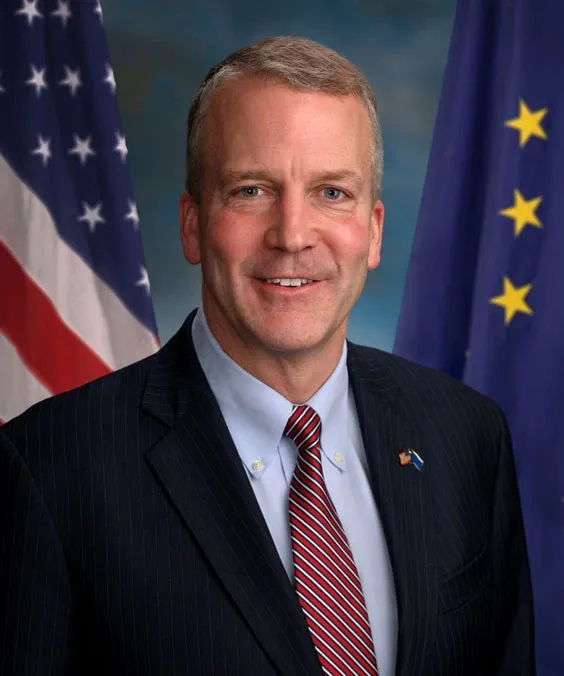
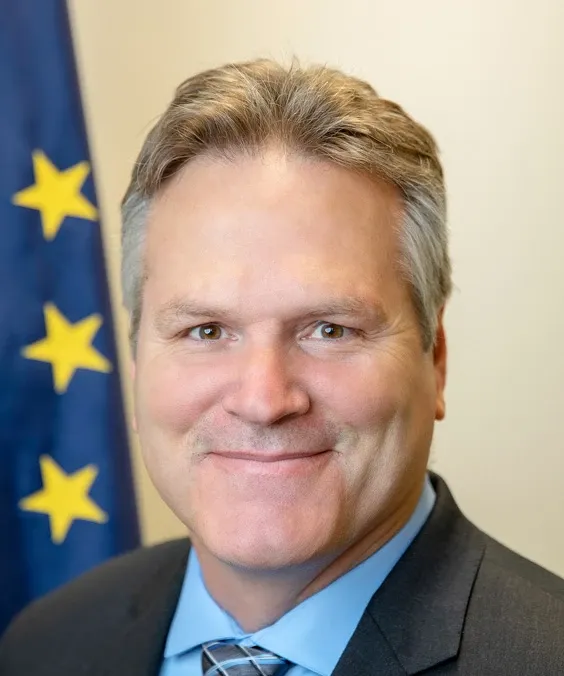
Lisa Murkowski
The Public Record
Lisa Ann Murkowski is an American politician serving as the senior United States senator from Alaska, a position she has held since 2002. A member of the Republican Party, Murkowski has been a prominent figure in Alaskan and national politics, known for her moderate stance on various issues. She was first appointed to the Senate in 2002 and has since been elected multiple times, demonstrating a strong commitment to her constituents and the state of Alaska.
Jun 22, 2025
I never imagined the extreme possibility that it could be overturned completely.
Jun 22, 2025
We have a role that is prescribed under Article I of the Constitution. We need to take that seriously.
Jun 22, 2025
We've got to do that. But doing it with the most vulnerable bearing the brunt of that is not the answer.
Jun 20, 2025
We need regular people who care about their communities and are willing to do the work, follow the rules, and think for themselves.
Jun 20, 2025
I want to offer hope. The traditional tools of American democracy do still function.
Jun 20, 2025
So I've been pretty clear that when it comes to Medicaid, those cuts that would harm Alaskan beneficiaries, that's not something that I can take home, right?
Jun 20, 2025
I have not given anybody in the administration an absolute, this is my red line, right?
Jun 20, 2025
In a polarized Washington, Alaska's senior senator, Lisa Murkowski, is a moderate in a Republican Party dominated by President Trump.
Jun 16, 2025
Not only would a large portion of Alaska communities lose their local programming, but warning systems for natural disasters, power outages, boil water advisories, and other alerts would be severely hampered.
Jun 12, 2025
Not only would a large portion of Alaska communities lose their local programming, but warning systems for natural disasters, power outages, boil water advisories, and other alerts would be severely hampered.
Jun 11, 2025
Not only would a large portion of Alaska communities lose their local programming, but warning systems for natural disasters, power outages, boil water advisories and other alerts would be severely hampered.
May 28, 2025
It's about $170 billion in savings that could be had if we were to eliminate that.
May 28, 2025
It's going to be a little bit different if you're out in a rural area where you don't have the opportunity for jobs unless you move into the city.
Politicians like Lisa Murkowski