Metaphysics cannot live without definition; but Prudence is cautious how she defines.
Edmund Burke
The Public Record
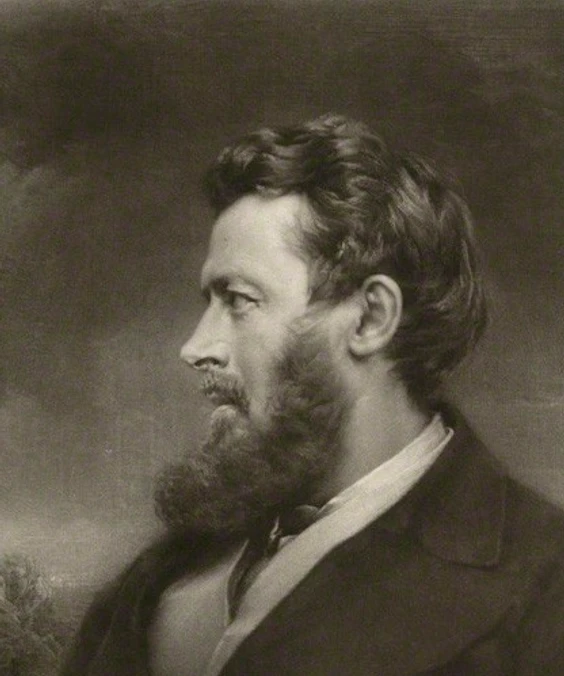
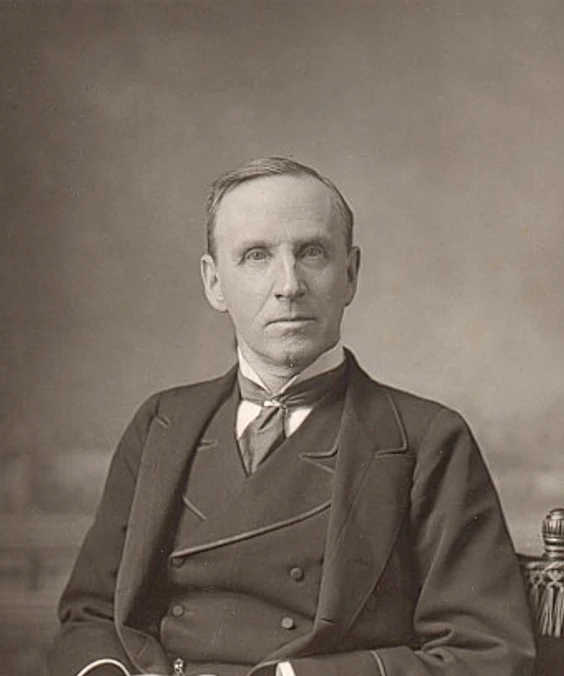
Edmund Burke was an Anglo-Irish writer, philosopher, and politician who is widely credited as the founder of the cultural and political philosophy of conservatism. Regarded as one of the most influential conservative thinkers and political writers of the 18th century, Burke spent the majority of his career in Great Britain and was elected as a member of Parliament (MP) from 1766 to 1794 in the House of Commons of Great Britain with the Whig Party. His writings played a significant role in influencing public views and opinions in both Great Britain and France following the French Revolution in 1789, and he remains a major figure in modern conservative circles.
gutenberg.org
Prudence is not only the first in rank of the virtues political and moral, but she is the director, the regulator, the standard of them all.
These exceptions and modifications are not made by the process of logic, but by the rules of prudence.
The lines of morality are not like the ideal lines of mathematics.
Nothing universal can be rationally affirmed on any moral or any political subject.
It is not worth our while to discuss, like sophisters, whether in no case some evil for the sake of some benefit is to be tolerated.
With regard to futurity, we are to treat it like a ward.
Perhaps the only moral trust with any certainty in our hands is the care of our own time.
In their political arrangements, men have no right to put the well-being of the present generation wholly out of the question.
When we estimate that Revolution, we mean to comprehend in our calculation both the value of the thing parted with and the value of the thing received in exchange.
For instance, when we praise our Revolution of 1688, though the nation in that act was on the defensive, and was justified in incurring all the evils of a defensive war, we do not rest there.
The subversion of a government, to deserve any praise, must be considered but as a step preparatory to the formation of something better, either in the scheme of the government itself, or in the persons who administer it, or in both.
With such things before our eyes, our feelings contradict our theories; and when this is the case, the feelings are true, and the theory is false.
They cannot take the moral sympathies of the human mind along with them, in abstractions separated from the good or evil condition of the state, from the quality of actions, and the character of the actors.
When they come to reflect seriously on the transaction, they will think themselves bound to examine what the object is that has been acquired by all this havoc.
But in a question whether any particular Constitution is or is not a plan of rational liberty, this kind of rhetorical flourish in favor of freedom in general is surely a little out of its place.
A commonplace in favor of slavery and tyranny, delivered to a popular assembly, would indeed be a bold defiance to all the principles of rhetoric.
An orator, above all men, ought to be allowed a full and free use of the praise of liberty.
From this temper, men and factions, and nations too, have sacrificed the good of which they had been in assured possession, in favor of wild and irrational expectations.
Specious, untried, ambiguous prospects of new advantage recommend themselves to the spirit of adventure which more or less prevails in every mind.
Our complexion is such, that we are palled with enjoyment, and stimulated with hope,--that we become less sensible to a long-possessed benefit from the very circumstance that it is become habitual.
In that case it was surely proper for those who had far other thoughts of the French Constitution to scrutinize that plan which has been recommended to our imitation by active and zealous factions at home and abroad.
The excellencies of the British Constitution had already exercised and exhausted the talents of the best thinkers and the most eloquent writers and speakers that the world ever saw.
The panegyric and the satire ought to be suffered to go to trial; and that which shrinks from if must be contented to stand, at best, as a mere declamation.
If their panegyric had been answered with an invective, (bating the difference in point of eloquence,) the one would have been as good as the other: that is, they would both of them have been good for nothing.
Politicians like Edmund Burke