All this unhappy race of little farmers and tillers of the soil were driven like a herd of cattle by his extortioners, and compelled by imprisonments, by fetters, and by cruel whippings, to engage for more than the whole of their substance…
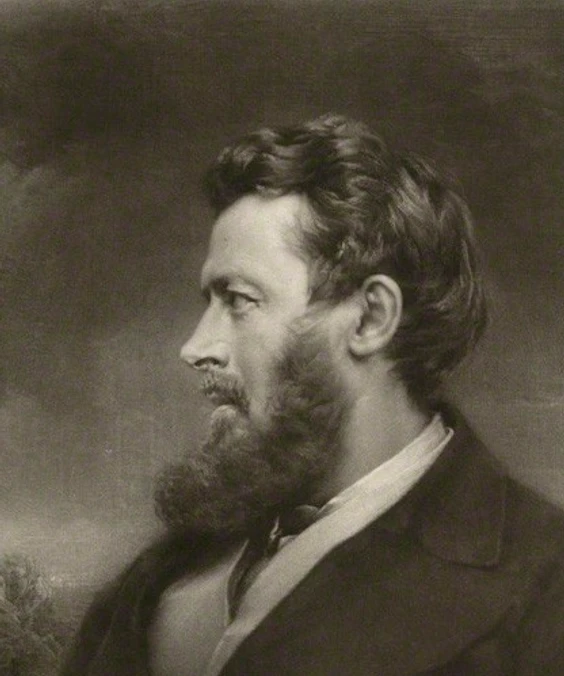
Edmund Burke
The Public Record
Edmund Burke was an Anglo-Irish writer, philosopher, and politician who is widely credited as the founder of the cultural and political philosophy of conservatism. Regarded as one of the most influential conservative thinkers and political writers of the 18th century, Burke spent the majority of his career in Great Britain and was elected as a member of Parliament (MP) from 1766 to 1794 in the House of Commons of Great Britain with the Whig Party. His writings played a significant role in influencing public views and opinions in both Great Britain and France following the French Revolution in 1789, and he remains a major figure in modern conservative circles.
gutenberg.org
Their effects are only a little earthen-ware, and their houses only a handful of straw, the sale of a thousand of which would not perhaps produce twenty shillings.
Alas! as their situation was far more helpless, their oppression was infinitely more sore and grievous, the exactions yet more excessive, the demand yet more vexatious, more capricious, more arbitrary.
Hastings's bribe was become due, and his rapacity must be fed from the vitals of the people.
Hastings's money transactions, the insufficiency and fallacy of these records is manifest beyond a doubt.
Hastings the justice to say, that, if he had known there was another man more accomplished in all iniquity than Gunga Govind Sing, he would not have given him the first place in his confidence.
Hastings took this bribe from the Rajah of Dinagepore, he took a bribe from an infant of five years old through the hands of the Register.
No man ever knowingly employed a bad man on account of his abilities, but for evil ends.
It is not in the nature of such men; their minds are so distorted to selfish purposes, to knavish, artificial, and crafty means of accomplishing those selfish ends, that, if put to any good service, they are poor, dull, helpless.
I do, then, declare my conviction, and wish it may stand recorded to posterity, that there never was a bad man that had ability for good service.
It is to him all the English authority is sacrificed, and four gentlemen are appointed to be his tools and instruments.
Hastings uses his name and authority to make them such in the hands of the basest, the wickedest, the corruptest, the most audacious and atrocious villain ever heard of.
The screen, the veil, spread before this transaction, is torn open by the very people themselves who are the tools in it.
You see it was made for the purpose of being a tool in the hands of Gunga Govind Sing; that integrity, ability, and vigilance could avail nothing; that the whole country might be laid under contribution by this man, and that he could thus…
He discovers the secret resources of the zemindars and renters, their enemies and competitors; and by the engines of hope and fear, raised upon these foundations, he can work them to his purpose.
It is little advantage to restrain the Committee themselves from bribery or corruption, when their executive officer has the power of practising both undetected.
Hastings: a name that you will often hear of; a name at the sound of which all India turns pale; the most wicked, the most atrocious, the boldest, the most dexterous villain that ever the rank servitude of that country has produced.
Therefore he was resolved,--your Lordships will remark the whole of this most daring and systematic plan of bribery and peculation,--he resolved to put it out of the power of his Council in future to check or control him in any of his evil…
Such another example of boldness and contrivance I believe the world cannot furnish.
It tends to their discovery, and, I hope and trust, finally to their utter ruin and destruction.
No: it takes the lead, and is never found where justice does not accompany it; and if ever it is attempted to bring it into the service of the vices, it immediately subverts their cause.
God forbid that prudence, the first of all the virtues, as well as the supreme director of them all, should ever be employed in the service of any of the vices!
For as guilt never rose from a true use of our rational faculties, so it is very frequently subversive of them.
For God forbid that guilt should ever leave a man the free, undisturbed use of his faculties!
To argue that these could not be his reasons, because they were not wise, sound, and substantial, would be to suppose, what is not true, that bad men were always discreet and able.
Politicians like Edmund Burke