All the relations of life are at once dissolved.
Edmund Burke
The Public Record
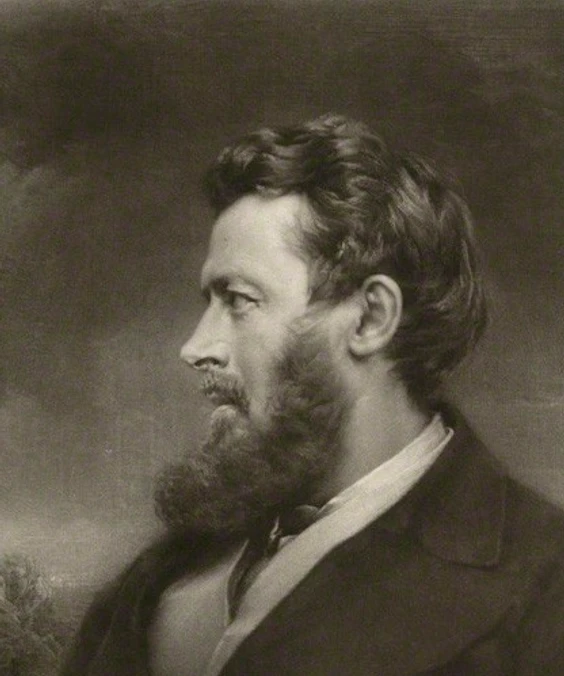
Edmund Burke was an Anglo-Irish writer, philosopher, and politician who is widely credited as the founder of the cultural and political philosophy of conservatism. Regarded as one of the most influential conservative thinkers and political writers of the 18th century, Burke spent the majority of his career in Great Britain and was elected as a member of Parliament (MP) from 1766 to 1794 in the House of Commons of Great Britain with the Whig Party. His writings played a significant role in influencing public views and opinions in both Great Britain and France following the French Revolution in 1789, and he remains a major figure in modern conservative circles.
gutenberg.org
My Lords, we are not here to commend or blame the institutions and prejudices of a whole race of people, radicated in them by a long succession of ages, on which no reason or argument, on which no vicissitudes of things, no mixtures of…
These, my Lords, were sufferings which we feel all in common, in India and in England, by the general sympathy of our common nature.
Wives were torn from the arms of their husbands, and suffered the same flagitious wrongs, which were indeed hid in the bottoms of the dungeons in which their honor and their liberty were buried together.
The circumstances were combined by so subtle a cruelty that every stroke which did not excruciate the sense should wound and lacerate the sentiments and affections of nature.
But there are persons whose fortitude could bear their own suffering; there are men who are hardened by their very pains, and the mind, strengthened even by the torments of the body, rises with a strong defiance against its oppressor.
Days of menace, insult, and extortion, nights of bolts, fetters, and flagellation, succeeded to each other in the same round, and for a long time made up all the vicissitude of life to these miserable people.
What is it that they will not pull down, when they are lifted to heaven against their oppressors?
But there is a place where these crippled and disabled hands will act with resistless power.
And here, my Lords, began such a scene of cruelties and tortures as I believe no history has ever presented to the indignation of the world,--such as I am sure, in the most barbarous ages, no politic tyranny, no fanatic persecution, has…
From cruel men they are transformed into savage beasts, with no other vestiges of reason left but what serves to furnish the inventions and refinements of ferocious subtlety, for purposes of which beasts are incapable and at which fiends…
Then they redouble the efforts of their impotent cruelty, which producing, as they must ever produce, new disappointments, they grow irritated against the objects of their rapacity; and then rage, fury, and malice, implacable because…
It is the nature of tyranny and rapacity never to learn moderation from the ill-success of first oppressions; on the contrary, all oppressors, all men thinking highly of the methods dictated by their nature, attribute the frustration of…
Everything visible and vendible was seized and sold.
Hastings extinguished every sentiment of father, son, brother, and husband!
The most fondly jealous of husbands sold their wives.
The most tender of parents sold their children at market.
It is a known observation, that those who have the fewest of all other worldly enjoyments are the most tenderly attached to their children and wives.
The peasants were left little else than their families and their bodies.
It was not a rigorous collection of revenue, it was a savage war made upon the country.
The crop was then gone, but the debt remained.
Accordingly, the husbandman ground to powder between the usurer below and the oppressor above, the whole crop of the country was forced at once to market; and the market glutted, overcharged, and suffocated, the price of grain fell to the…
What exhaustless fund of opulence could supply this destructive resource of wretchedness and misery?
A tiller of land to pay six hundred per cent to discharge the demands of government!
No! at an interest of six hundred per cent per annum, payable by the day!
Politicians like Edmund Burke