
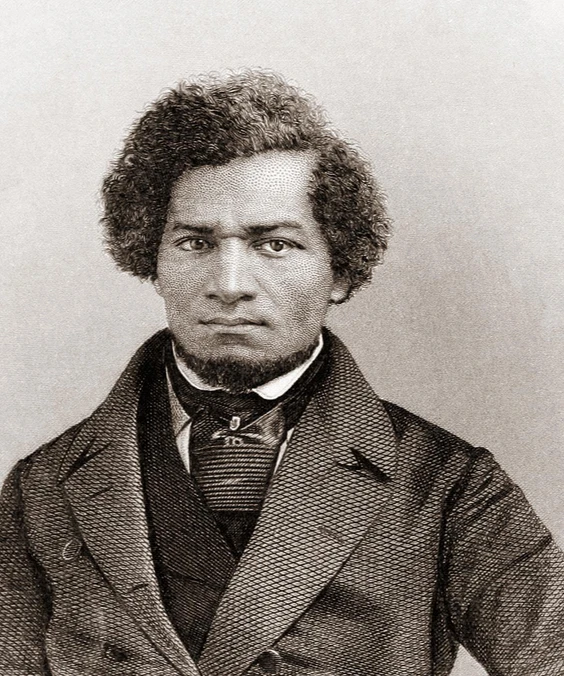

@frederickdouglass· Jan 1, 1855
The difference between the white slave, and the black slave, is this: the latter belongs to one slaveholder, and the former belongs to all the slaveholders, collectively.
From the public-domain record · 81,371 quotes
Founders, statesmen and world leaders — cited from their collected works.
The figures
The difference between the white slave, and the black slave, is this: the latter belongs to one slaveholder, and the former belongs to all the slaveholders, collectively.
The slaveholders, with a craftiness peculiar to themselves, by encouraging the enmity of the poor, laboring white man against the blacks, succeeds in making the said white man almost as much a slave as the black slave himself.
That phase is this: the conflict of slavery with the interests of the white mechanics and laborers of the south.
He could grow, and become a MAN; I could grow, though I could not become a man, but must remain, all my life, a minor—a mere boy.
It was a sad thing to me, that, loving each other as we had done, we must now take different roads.
In childhood, he scarcely considered me inferior to himself certainly, as good as any other boy with whom he played; but the time had come when his friend must become his slave.
Here was a broad road of destruction to slavery, which, before, had been looked upon as a wall of security by slaveholders.
Slaves escaping, until now, had taken to the woods; they had never dreamed of profaning and abusing the waters of the noble Chesapeake, by making them the highway from slavery to freedom.
He was furious at the thought of such a piece of high-handed theft, as we were about to perpetrate the stealing of our own bodies and souls!
The prospect, from that point, did look about as dark as any that ever cast its gloom over the vision of the anxious, out-looking, human spirit.
The promise had but one fault; it seemed too good to be true.
Lead and steel are the only arguments that they understand.
To talk to those imps about justice and mercy, would have been as absurd as to reason with bears and tigers.
I was insulted, but helpless; keenly alive to the demands of justice and liberty, but with no means of asserting them.
A life of living death, beset with the innumerable horrors of the cotton field, and the sugar plantation, seemed to be my doom.
The possibility of ever becoming anything but an abject slave, a mere machine in the hands of an owner, had now fled, and it seemed to me it had fled forever.
I was solitary in the world, and alone within the walls of a stone prison, left to a fate of life-long misery.
Not until this last separation, dear reader, had I touched those profounder depths of desolation, which it is the lot of slaves often to reach.
Thirty-nine lashes on my naked and bleeding back, would have been joyfully borne, in preference to this separation from these, the friends of my youth.
Bolts, bars and grated windows are not acceptable to freedom-loving people of any color.
They are mere hucksters of the surplus slave produce of Maryland and Virginia coarse, cruel, and swaggering bullies, whose very breathing is of blasphemy and blood.
Yes; they are a legitimate fruit of slavery; and it is a puzzle to make out a case of greater villainy for them, than for the slaveholders, who make such a class possible.
They have grown intimate with vice and blood; they gloat over the wildest illustrations of their soul-damning and earth-polluting business, and are moral pests.
They walk amid desecrated affections, insulted virtue, and blasted hopes.