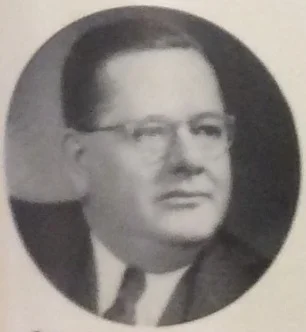
Joe Manchin
The Public Record
Joe Manchin is a United States Senator from West Virginia, serving since 2010. A member of the Democratic Party, he previously held the position of Governor of West Virginia from 2005 to 2010. Manchin is known for his centrist approach and has often positioned himself as a bridge between moderate Democrats and Republicans in the Senate. His legislative focus includes issues such as infrastructure, energy policy, and healthcare.
Sep 16, 2015
I was acutely aware of, you know, making sure that anything and everything that happens in the state of West Virginia and every other Governor in their state does so with the utmost concern about the safety of the citizens.
Sep 16, 2015
You are working through the deadlines, you are working with the industry and making sure that we are doing everything we can to expedite this along?
Sep 16, 2015
In West Virginia, it doesn't matter if you are a Republican or a Democrat; you just have to get something done.
Sep 16, 2015
Have you put a working group together, working with the railroad executives and engineers and the people on the front line and all the people that are on the rails, trying to get input from them to try to better this or do the things that…
Sep 16, 2015
I was amazed to find out that we are still using technology that is 50, 80, 100 years old.
Sep 16, 2015
But if we are not moving toward a new technology, and our whole country depends on it, why would we not be using some of the easiest, latest, greatest advanced technologies for train traffic?
Sep 16, 2015
I require your agency, NHTSA, and others, NTSB, to take a hard look at the adequacy of Amtrak's family assistance plans
Sep 16, 2015
Are you getting any pushback on that whatsoever? Are the states saying we still don't have the info we need in time enough to make sure that they have the proper equipment and people available in case, God forbid, something would happen?
Aug 26, 2015
I know, Senator Cantwell, you and Senator Murkowski and I are going to continue to work closely together on this very topic.
Aug 26, 2015
I want to commend Lisa Murkowski, the Senator from Alaska and Chairman of the Committee, for advancing a reasonable solution on these difficult issues.
Jul 28, 2015
If the United States rejects the deal now, it will not be possible to negotiate a new one.
Jul 28, 2015
I believe that the nuclear agreement reached by the United States, its P5+1 partners, and Iran is a good deal.
Jul 28, 2015
I believe it does, thanks to the efforts of Congress and the administration to leverage sanctions in pursuit of that goal.
Jul 28, 2015
So, that's why I'm afraid that, if we reject this deal, we will end up not with a better one, but with an Iran that continues down the path that it has been on.
Jul 28, 2015
I know many Senators still have concerns--legitimate concerns, I might add--so I would like to address them head on.
Jul 28, 2015
I am confident that through continued and increased military and intelligence support to our partners in the region... we can continue to contain Iran.
Jul 28, 2015
The decision that we make is one of the toughest decisions any of us have ever made since I've been here.
Jul 28, 2015
I remain opposed to this compromise. In my view, it could embolden Iran and strengthen its conventional capacity in ways detrimental to our own interest.
Jul 28, 2015
Establishing a tough-minded policy now is the right way to convince Iran there will be immediate penalties should it not implement the deal fully and completely;
Jul 28, 2015
We should create, in effect, a two-track American policy towards Iran in the future.
Politicians like Joe Manchin