Mar 26, 2014
I think if we try to cut back on some of the Federal crimes, people who have persuaded Congress or the bureaucrats to put something on the statutes are going to be screaming quite loudly.
The Public Record
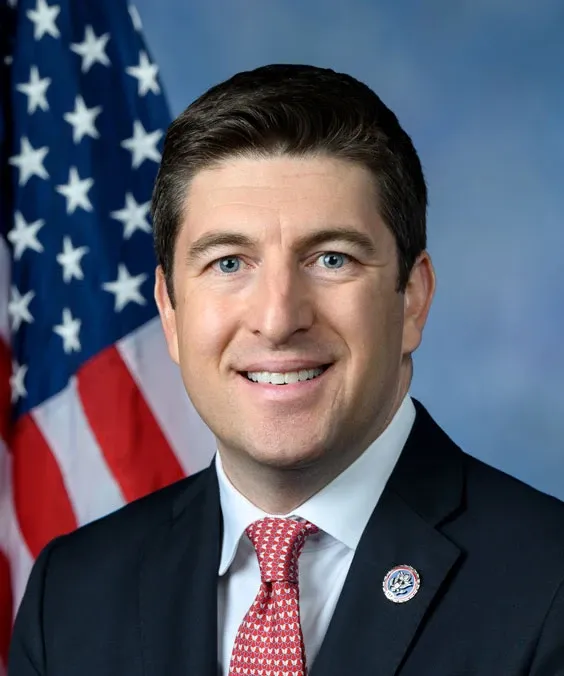
Frank James Sensenbrenner is a former Republican member of the United States House of Representatives, representing Wisconsin's 5th congressional district from 1979 to 2021. During his tenure, he served on several key committees, including the Judiciary Committee, where he played a significant role in shaping legislation on issues such as immigration, intellectual property, and law enforcement. Sensenbrenner was known for his strong advocacy of conservative principles and his commitment to reducing the size of government. He was also involved in various initiatives related to technology and privacy rights.
I think if we try to cut back on some of the Federal crimes, people who have persuaded Congress or the bureaucrats to put something on the statutes are going to be screaming quite loudly.
There are some crimes that I think are better prosecuted at the State level and using State resources, and we don't need to send the FBI out on everything that really can be better handled by local police and local prosecutors.
One of my goals in this effort is to try to avoid the traps of having an omnibus revision of the criminal code becoming a debate on numerous criminal justice policies.
Well, now we have found where there is policy agreement, so let's keep on with this roll.
The Honorable F. James Sensenbrenner, Jr., a Representative in Congress from the State of Wisconsin, and Chairman, Over-Criminalization Task Force of 2014.
I am pleased that the House of Representatives today is considering H.R. 1944, the Private Property Rights Protection Act, as part of Stop Government Abuse Week. My bill aims to restore the property rights of all Americans the Supreme…
The Feinstein bill I think is a joke because it basically prohibits bulk collection, except as authorized under a subsection, which authorizes the intelligence community to keep on doing business as usual.
Why should we needlessly forego these potentially important intelligence leads?
Congress never did intend to allow bulk collections when it passed Section 215, and no fair reading of the text would allow for this program.
The Section 215 bulk telephone records program lacks a viable legal foundation under Section 215, implicates constitutional concerns under the First and Fourth Amendments, raises serious threat to privacy and civil liberties as a policy…
I'm disappointed that he decided, evidently at the last minute, to pursue changes in the telephone metadata program recommended by his review group.
The FREEDOM Act is the only piece of legislation that attempts to comprehensively address this problem in a way that I think will get the support of a majority of the Members of both the House and the Senate.
Now Section 215 expires in June of next year. And unless Section 215 is fixed, you, Mr. Cole, and the intelligence community will end up getting nothing because I am absolutely confident that there are not the votes in this Congress to…
I was the principal author of the PATRIOT Act that was signed by President Bush in 2001, and I also was the principal author of the two reauthorizations in 2006 and in 2011.
I am very worried about an intelligence review structure where the Administration and the FISCs could sanction this.
the USA FREEDOM Act, sponsored by Representative Sensenbrenner and Senator Leahy, is an excellent start toward restoring the privacy and the accountability that has been infringed by NSA practices.
Putting a private contractor between NSA and the data would compromise the utility and responsiveness of this asset.
I don't believe that's workable, not without seriously affecting the operation of the program and creating new data privacy concerns.
Politicians like Jim Sensenbrenner