Jun 10, 2009
However, as Congress and the administration work to address the housing crisis and turn this economy around, we need to do more than maintain the status quo.
The Public Record
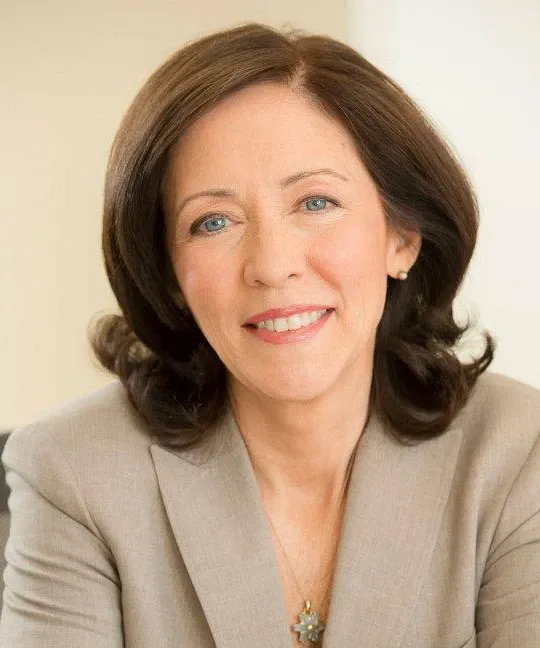
Patty Lynn Murray is a United States Senator from Washington, serving since 1993. A member of the Democratic Party, she has held various leadership positions in the Senate, including serving as the Senate's first female President pro tempore. Throughout her tenure, Murray has focused on issues such as education, healthcare, and women's rights, advocating for policies that support working families and promote economic growth.
However, as Congress and the administration work to address the housing crisis and turn this economy around, we need to do more than maintain the status quo.
Congress has struggled for a long time to balance the need to serve as many families as possible with the need to ensure that we are managing the growth in this program's cost.
The President's budget included $17.8 billion in total resources for the tenant-based rental assistance.
The budget decisions and leadership at HUD are going to make or break it for those most affected by this recession.
I am pleased that the starting point for this discussion is a budget that proposes substantial investments and innovative approaches.
Urban areas do not have a monopoly on economic development and housing needs.
Meanwhile, unemployment is approaching 10 percent, its highest rate in 26 years.
Well as you know, our role is oversight, and we are always asked for flexibility, and then we get yelled at for funds that were misused.
What we need to see for our oversight and for our appropriations mark this year is what those initiatives are going to cost this year.
That, we know, is going to enable more families to afford housing and provide an important jolt to the housing market.
What about the reverse mortgage, HECM program, for seniors to reverse mortgage?
Just because a child does not have an address does not mean they should not get an education.
Foreclosures remain at record levels, fully 32 percent higher than this time last year.
The shortage of doctors, nurses, and other healthcare providers is one of the most serious workforce challenges our country faces.
We want it to be good for the warfighter and good for the taxpayer, which leads me to the question of whether a dual buy is a viable option?
I stand ready to help you do whatever we need to do there to make sure we are ready for that as well.
I want to make sure that we maintain a domestic industrial base that can respond to the ongoing need of our warfighters.
I am very worried about our domestic industrial base. I am worried about its long-term ability to provide our military forces with what they need to accomplish their national security missions.
It is really important to me that our airmen have everything they need to fight our wars overseas, both today and in the future.
I know that a strong, sustained investment in Head Start is the only way that this program can continue to be effective.
I am more interested in what I call the opportunity gap, of how we get the best and brightest educators.
Politicians like Patty Murray