Mar 2, 2016
The crisis that we faced last year when the VA threatened to shut down the healthcare system and nearly ran out of money cannot be repeated.
The Public Record
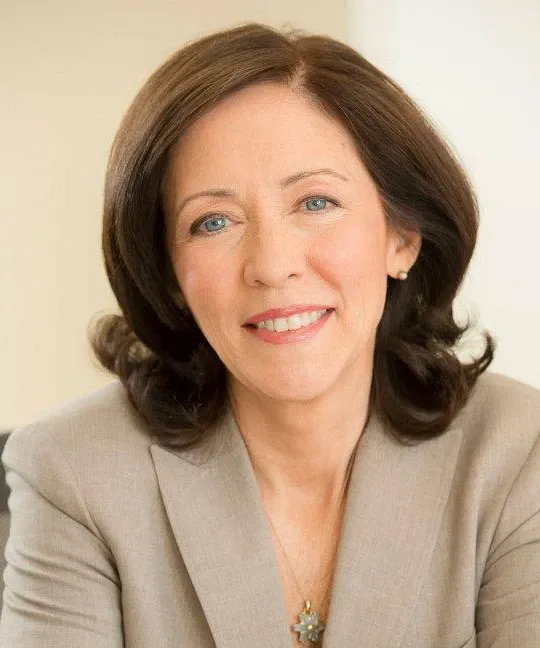
Patty Lynn Murray is a United States Senator from Washington, serving since 1993. A member of the Democratic Party, she has held various leadership positions in the Senate, including serving as the Senate's first female President pro tempore. Throughout her tenure, Murray has focused on issues such as education, healthcare, and women's rights, advocating for policies that support working families and promote economic growth.
The crisis that we faced last year when the VA threatened to shut down the healthcare system and nearly ran out of money cannot be repeated.
I have heard from veterans in my home State of Washington who are frustrated always about waiting months or even longer to get answers to questions about benefits and care.
I strongly believe that the Caregivers Program is really a key to helping VA carry out its duty to provide accessible high-quality care.
I really was pleased to see that you have requested $100 million increase for preschool development grants.
We need to keep working toward more coverage, not less; more affordability, not less; and better quality, not less.
I am concerned about many pressing needs facing the subcommittee, but one area I did not talk about that really worries me is combating antibiotic resistance.
I was also pleased the budget maintains support for the Affordable Care Act, which has expanded health insurance coverage to millions of people and helped a lot more families pay less for better quality care.
I appreciate your ongoing work with the State of Washington and the three impacted irrigation districts to prevent further depletion of the Odessa Subarea aquifer.
I believe President Obama should make funding our Nation's waterways a priority.
His track record leading up to his current position as Acting Secretary shows a deep commitment to high standards.
This is such an important time for students of all ages. And with all the challenges and opportunities, and you've heard them across the board here, it's really important that we have strong leadership at the Department of Education.
That's stunning. One in five of our daughters, granddaughters, sisters, loved ones are being sexually assaulted while in college.
You've been a true partner throughout your career on efforts to improve outcomes for all of our children.
I am confident that Dr. John King is a strong nominee to transition from Acting Secretary to taking on the position of Secretary of Education.
First of all, I want to take a moment to honor the life and service of Supreme Court Justice Antonin Scalia. Justice Scalia was a dedicated public servant who gave so many years to our courts and our country. He and I didn't agree on every…
I have found the President's budget to be shortsighted and inadequate when it comes to Hanford.
I wanted to urge you today to push the administration to begin these formal negotiations with Canada.
How is the administration going to meet its legally binding commitments to the Tri-Cities community?
We cannot afford to wait, once the new administration, whoever it is, to reeducate everybody.
Politicians like Patty Murray