Apr 7, 2014
So would you say that we don't really have a plan for cleaning it--we don't have the technology available to clean this up if, in fact, we did have an incident?
The Public Record
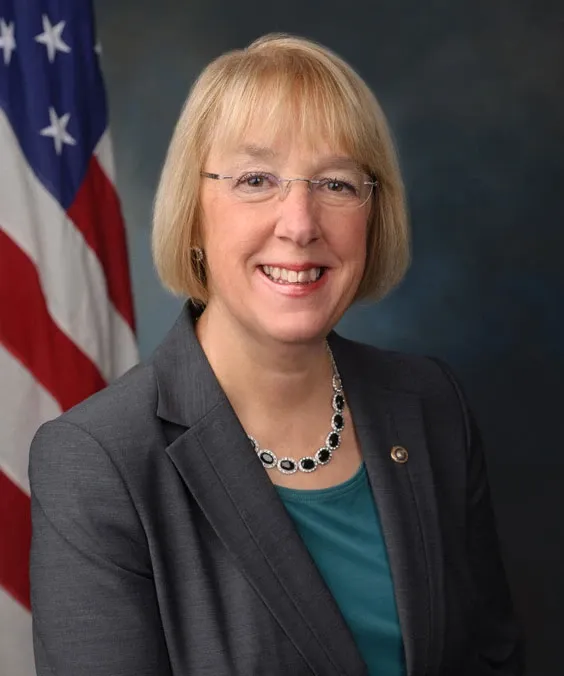
Maria Ellen Cantwell is a United States Senator from Washington, serving since January 3, 2001. A member of the Democratic Party, she has been actively involved in various legislative efforts, particularly focusing on technology, environmental issues, and healthcare. Throughout her tenure, Cantwell has worked on policies aimed at promoting clean energy and protecting the environment, as well as advocating for affordable healthcare access for all Americans.
So would you say that we don't really have a plan for cleaning it--we don't have the technology available to clean this up if, in fact, we did have an incident?
We want to understand whether the Coast Guard feels a new process should be undertaken for this technology
This is a very keen interest obviously to my colleagues, Senator Begich and to myself
The United States is lagging behind, as your chart well depicts, the other primary Arctic nations
One of the options, I believe, is continuing to make things simpler from a technology perspective.
If there is no further business to come before the Senate, I ask unanimous consent that it stand adjourned under the provisions of S. Res. 407, as a further mark of respect in memory of the late Senator Jeremiah Denton of Alabama. There…
I thank the Senator from Kansas for his remarks and extend my sympathies to the family. I thank the Senator for his rendition of his State's fortitude. My State is working with fortitude right now too in the Oso-Darrington mudslides, and…
The Secretary of Energy Dr. Moniz has repeatedly stated his belief in an all-of-the-above strategy for our country that promotes production of domestic energy, creates jobs and opportunities for American families, and addresses the serious…
I would like to thank Senators Thune and McCaskill for leading the effort last year to pass legislation...
I think we can see from today's attendance that aviation is a very important issue all across the America.
I think we are all in agreement that the voluntary crude-by-rail operating agreement is a step in the right direction.
But I think we all agree that we need to reduce it significantly to prevent another disaster like we witnessed in Lac-Megantic or Casselton, North Dakota.
I think we have to mandate the security that needs to be there because these population centers are just, you know--I don't know what our cities in jurisdictions are going to--they might decide to ban this altogether.
One of the best tools that they have is to rationalize fisheries. And what we found is once the fisheries rationalize it becomes dramatically safer.
I think you and I, as you said, could probably be here all day with a whole variety of questions because this is important to both of our states and the interconnectedness of it all is practically obvious to us every day.
There's an opportunity for FDA to be much more active in enforcing existing laws with regard to labeling of seafood.
So to me, when I think about how we're managing these fisheries, if you don't do the stock assessments then you can't come up with a management plan.
I feel like we have such a great product here in the Northwest. You know, you go to the store and you don't know what you're eating.
I think good fisheries management is about having the modernization of equipment, as well.
We want what is the amount of money that is needed for stock assessment, and what level can we fund, and what are the economic impacts of that.
Politicians like Maria Cantwell