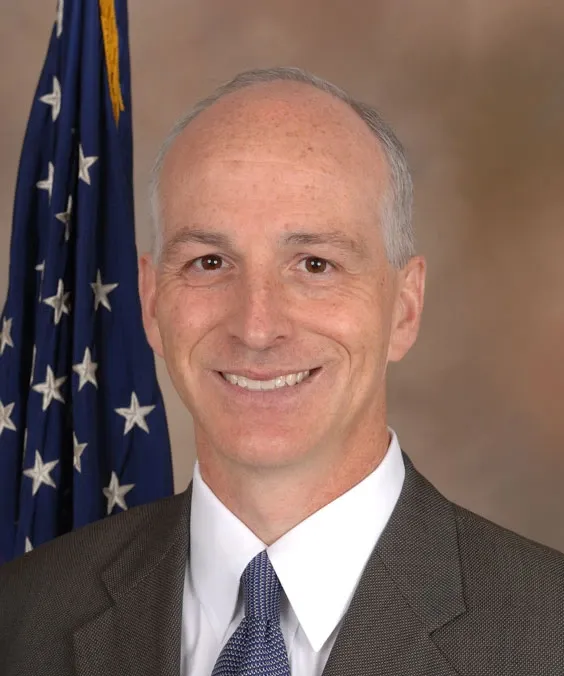
Jim McDermott
The Public Record
Jim McDermott is a former U.S. Representative from Washington, serving from 1989 to 2017. A member of the Democratic Party, he represented Washington's 7th congressional district. During his tenure, McDermott was known for his advocacy on healthcare issues, social justice, and economic equality. He played a significant role in the passage of the Affordable Care Act and was a vocal critic of the Iraq War. McDermott also served on various committees, including the Ways and Means Committee, where he focused on tax policy and healthcare reform.
Jun 9, 2014
It really is a disappointing choice on my Republican colleagues' part, because they should accept that the ACA is working.
Jun 9, 2014
Our Republican colleagues have called us here this morning once again to try to tear down the Affordable Care Act.
May 28, 2014
If she ran into a CASA worker who said--and she said, I don't think I should be on this medication, can I get off it, can you help me get off it, and they called you--can they call you?
May 19, 2014
The RACs operate like the fishermen in my district. They go out and throw a great big net.
May 19, 2014
The idea of that is, in fact, to make people pay more out of pocket on the assumption that they will be more careful healthcare consumers.
May 19, 2014
There was a Senator by the name of Daniel Patrick Moynihan who said there are a lot of simple answers around but we need a great complexifier.
May 19, 2014
From a revenue standpoint. Because we said it doesn't make any difference how they are treated as people and as patients, so the only difference is how much money the hospital makes off of it; is that correct?
May 19, 2014
So then the difference is in the payment that is received by the hospital or that the patient has to make depending on which category they are in; is that correct?
May 19, 2014
From a patient's standpoint you walk into the emergency room or whatever, and you get put in one of these statuses or the other.
May 19, 2014
I think everyone in this room would agree that protecting Medicare as a bedrock institution of American life, thereby serving the greater good, does require some sacrifice.
May 19, 2014
Unlike some of my Republican counterparts, I believe some level of regulation is necessary to ensure that we protect Medicare's finite resources for future generations.
May 19, 2014
The three midnight rule is a problem considering how medicine is practiced today.
May 19, 2014
You know what we are trying to do. How would you design what we should do at this point?
Apr 29, 2014
Because I think that, when there is this much money on the table as there is in health care today, it is bound to attract some folks who don't have the best interests of the patients or the government or the taxpayers at heart.
Apr 29, 2014
This type of fraud is just as detrimental to our beneficiaries as to the solvency of the Medicare trust fund.
Apr 29, 2014
This case-by-case thing--as we spread the Accountable Care Act over the country, they are going to have endless case-by-case things, and I think it ought to be done systematically.
Apr 29, 2014
Rather than issue a case-by-case advisory opinion, it seems to me that more structure should be put in place around such arrangements.
Politicians like Jim McDermott