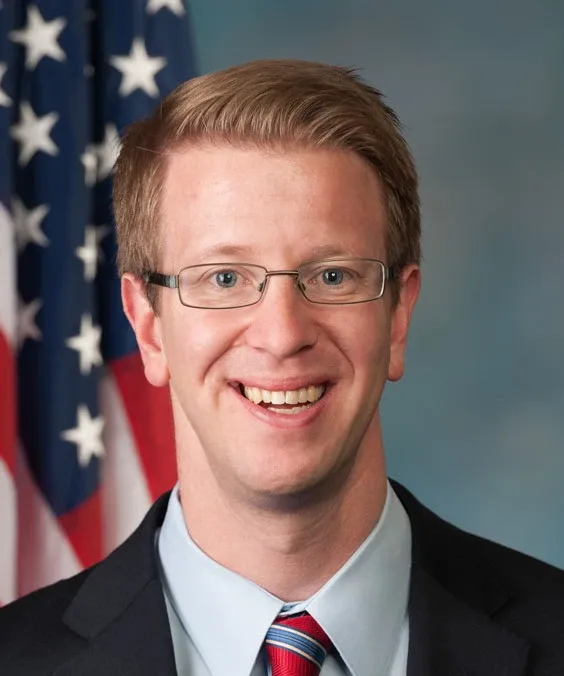
Feb 12, 2015
But that isn't always the right strategy; because sometimes there are things that military might can't do.
The Public Record
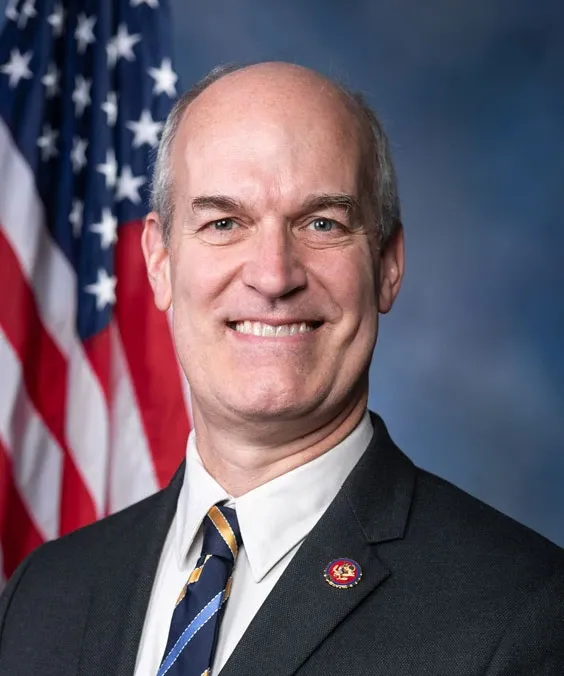
Adam Smith is a U.S. Representative for Washington's 9th congressional district, serving since 1997. A member of the Democratic Party, he has focused on various legislative efforts, particularly in defense and foreign policy. Throughout his tenure, Smith has been involved in key discussions and initiatives related to national security and military funding, reflecting his commitment to these issues. He has also been an advocate for progressive policies within his district and has worked on legislation addressing economic and social challenges faced by his constituents.
But that isn't always the right strategy; because sometimes there are things that military might can't do.
There is no reason on Earth that they can't be safely housed here in the U.S.
The presence of the prison continues to be an international eyesore, as I mentioned, to our allies much more importantly than to our enemies.
We have the capability in the United States of America to house some of the most dangerous people in the world.
So essentially I have got a choice, and under the current resources it is reform or the oversight.
We need more money, I think, to adequately to do the job that we are being asked to do
We are in the exact opposite position, facing an array of complex threats that are going to require... resources and considerable creativity.
The number one overall obligation is to make sure that whatever it is that we ask the men and women in our Armed Forces to do, they are trained and equipped and ready to do it.
Acquisition reform has always been a challenge at the Department of Defense [DOD].
I now yield 2 minutes to the gentlewoman from California (Mrs. Davis), the ranking member of the Military Personnel Subcommittee.
Sequestration obviously would have a devastating impact on the defense budget and on the discretionary budget in general.
So first of all, yes, sequestration needs to go away. Personally I would vote to eliminate it tomorrow and be done with it.
Smith, Hon. Adam, a Representative from Washington, Ranking Member, Committee on Armed Services.
I think it would be better to sort of explain, you know, what, it is not a boots-on-the-ground issue.
If we find enough Sunnis in Iraq and Syria who are willing to fight against ISIS, that is when we will start to be successful.
It is because we don't think it will work, and I think that is the thing to make clear.
The threat that we face, and ISIL is but one piece of it, is the ideological threat.
Politicians like Adam Smith