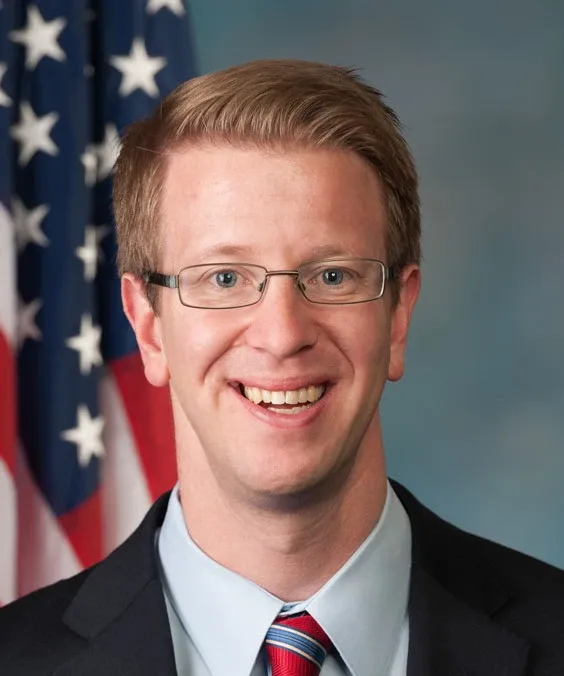
Adam Smith
The Public Record
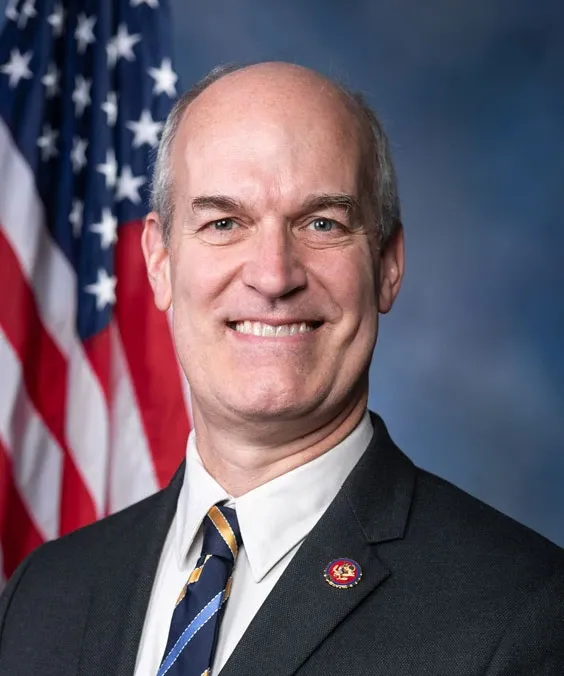
Adam Smith is a U.S. Representative for Washington's 9th congressional district, serving since 1997. A member of the Democratic Party, he has focused on various legislative efforts, particularly in defense and foreign policy. Throughout his tenure, Smith has been involved in key discussions and initiatives related to national security and military funding, reflecting his commitment to these issues. He has also been an advocate for progressive policies within his district and has worked on legislation addressing economic and social challenges faced by his constituents.
Feb 5, 2018
I guess, I--foremost is okay. Only, exclusively, while ignoring everything else, not okay.
Feb 5, 2018
We cannot do new starts, we cannot get into cyber protection, the very thing you hold dear, because we do not have the ability to do so under continuing resolutions, 9 out of the last 10 years.
Feb 5, 2018
You have got to agree, there are other things that are important than keeping the peace.
Feb 5, 2018
So to sit here and say, you know, we are going to stand up, spend all this money on defense because it would just be wrong to prioritize other things is patently absurd and insulting.
Feb 5, 2018
The Justice Department has played an enormous role in stopping terrorist attacks and also, you know, bringing to justice those who have committed them.
Feb 5, 2018
We are pulling back again. This budget that is being proposed guts development.
Feb 5, 2018
One of the biggest things China is doing is they are spending a ton of money all across the world to try to curry favor with countries and also build their own economic might.
Feb 5, 2018
If we pass this budget that the Republicans want to put before us today, the State Department will continue to be destroyed.
Feb 5, 2018
But that is never going to be more important than it is going forward, given the fiscal situation that we are in and given the threat environment that is as described.
Feb 5, 2018
If we are going to get to where we need to go, we need to hear where can we save money.
Feb 5, 2018
And I think we need to understand it in that context and push back comprehensively to try and create a world that is safe for freedom and democracy.
Feb 5, 2018
The immediate short-term impact of that is that we are going to hit the debt ceiling sooner than we had expected to because less revenue is coming into the Treasury.
Feb 5, 2018
We are $21 trillion in debt, and counting. The deficit last year was close to $700 billion, and it is going up, not down.
Feb 5, 2018
It is our paramount obligation to make sure that we fund that, that we do not have a situation where we give them so many tasks but not enough resources to train for them.
Jan 9, 2018
To say that it is not worth doing is like saying, hey, we have screwed it up so bad for so long...
Jan 9, 2018
I think the taxpayers deserve at least the same level of confidence as a shareholder in the use of their money.
Jan 9, 2018
I applaud your commitment to doing this, and stand ready to have the committee help you in any way we can.
Jan 9, 2018
I too want to specifically thank Mr. Conaway for his great leadership on this issue.
Oct 2, 2017
How do we get to the point where we can reduce our commitment in Afghanistan so that it is not an open-ended commitment and a blank check?
Politicians like Adam Smith