Mar 12, 2024
Several market participants have indicated that this threshold is alarmingly low.
The Public Record
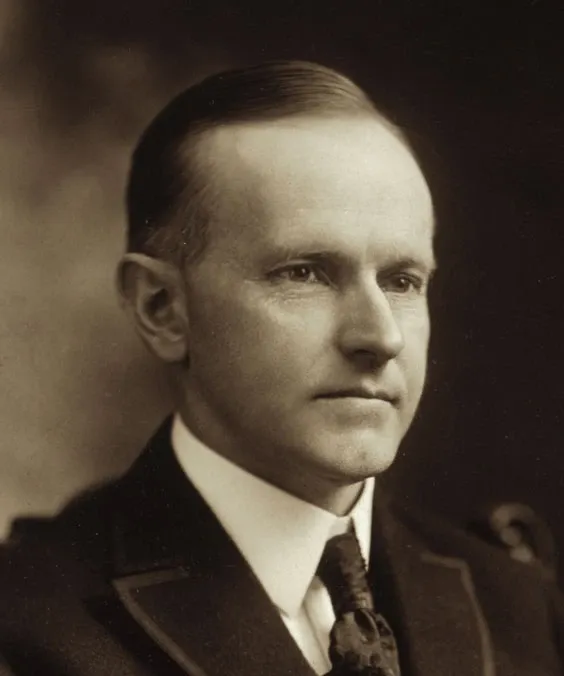
John Williams Rose is a Republican politician currently serving as a member of the U.S. House of Representatives, a position he has held since January 3, 2019. Representing Vermont, Rose has been involved in various legislative efforts, focusing on issues pertinent to his constituents and the broader national landscape. He is known for his commitment to public service and has actively participated in discussions surrounding economic policies and government operations.
Several market participants have indicated that this threshold is alarmingly low.
FinCEN has asked Congress to pass legislation to expand geographic targeting orders nationwide.
It is my view that for regulators at the Federal, State, and local level, the number-one priority is to help the regulated comply, not to punish them when they inadvertently slip up.
I also heard that a historically uneventful market basket update has been proudly manipulated to solely allow Democrats to increase the welfare state.
I have also gathered that this Administration continues to demonize farmers, frankly, of all sizes in cases where they do not subscribe to a far-left climate agenda.
But the fact is that, to do that, there are good ways to do that and there are ways that really aren't helping the American farmer.
Quite frankly, it is a unilateral insertion of USDA into the private marketplace, costing billions in taxpayer dollars with zero metrics for success and zero transparency.
What is disingenuous is the leading factor in terms of hunger for many families that are struggling really in poverty is the cost of living, the impact of inflation.
Dairy is an economic engine for the upper Midwest and provides bountiful nutrition for millions of Americans.
I would hate to see America give up our leadership in biotechnology, which we have established over many years.
What specific policies and procedures has USDA implemented in light of this development?
I would like to extend a personal invitation for you to attend this year's celebration.
My view is the Federal Government should either support producers or get out of their way.
If we don't take this issue seriously, we are going to have chaos in the marketplace because there is nothing preventing any state from doing what California did.
These costs have a more severe impact on smaller independent operations, and that distresses placed upon the entire production and marketing chain will lead to ever-increasing consolidation and concentration of the industry.
I fear we are nearing a tipping point where this country cannot sustain the fiscal levels that we see now.
Pardon me. In the interest of time, if we assume that rates remain at historic long-term norms, which would be at or above the current levels, is the current fiscal situation sustainable?
I wonder, in light of these changes, has your assessment of how we measure the capacity of this country to finance and to continue to incur additional debt changed?
I am most concerned about how this rule would impact the agricultural industry.
I have been extremely concerned by the implications of the SEC's proposed climate disclosure rule.
I believe it is important that we use a light-touch approach, as outlined in Chairman Hill's Financial Innovation and Technology for the 21st Century (FIT21) Act, to maintain innovation while providing consumer protection.
Politicians like John Rose