Apr 23, 2013
It is completely unacceptable, with the vast resources of the VA, that they were incapable of submitting their testimony to this Committee on time.
The Public Record
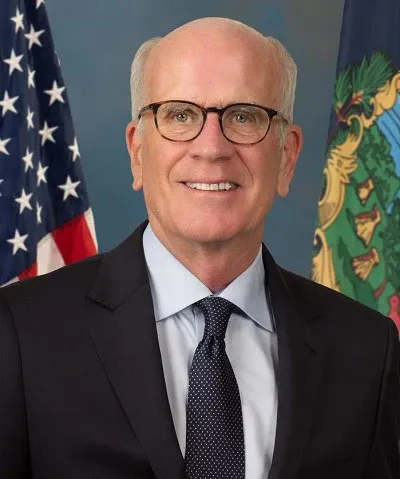
Bernie Sanders is an American politician and activist who has served as the junior United States senator from Vermont since 2007. A member of the Independent party, Sanders is known for his progressive policies and advocacy for social justice, healthcare reform, and income equality. He previously served in the U.S. House of Representatives from 1991 to 2007, where he was the first independent elected to the House in 40 years. Throughout his career, Sanders has been a vocal critic of economic inequality and corporate influence in politics.
It is completely unacceptable, with the vast resources of the VA, that they were incapable of submitting their testimony to this Committee on time.
We appreciate that if we are going to do justice for all veterans--the older veterans and those who are just returning--we are going to need a level of cooperation.
For the Post-9/11 veterans, the VA is now providing free health care for the first 5 years upon their return.
The AAMC applauds subcommittee Chair Bernie Sanders and Ranking Member Richard Burr for continuing their attention to the gaps in access.
If we give insurance cards to those 30 million people, there is going to be such a huge surge.
We spend $10 billion a year providing support to training hospitals, and we don't even know who they are graduating.
According to HRSA, we need 16,000 more primary care practitioners to meet the needs that exist today.
We spend about $10 billion a year on that program, who are graduating almost no primary care physicians.
In other words, what you are saying is when we emphasize primary care, we are treating people when they need to be treated.
I thank Senator Sanders, who has been a major supporter of the FQHC model of health care delivery in Vermont.
I want to thank Senator Sanders, who has been a major supporter of the FQHC model of health care delivery in Vermont.
If we want to get more young people into primary health care in underserved areas, clearly, we need to expand the program.
In my view, FQHCs provide extremely high quality, cost-effective health care to millions of people in 50 States around this country.
Instituting major reforms in primary care and enabling people to see a doctor when they need one will save lives.
But Ms. Spitzgo, am I correct in assuming that unless we increase funding, there will be a number of States in this country which have needs, significant need, but will not be receiving National Health Service Corps dollars?
We should be taking, in my view, a hard look at why we are, through Medicare, providing $10 billion a year to training hospitals without really knowing what they are producing in terms of primary care physicians.
1 in 5 Americans lives in an area where there are too few primary care providers.
One of the reasons, in fact, I voted for the Affordable Care Act is that there were great, significant expansions in the Federally Qualified Health Center programs and in the National Health Service Corps.
We are losing tens of thousands of people every single year who die because they do not get to a doctor.
If we located a community health center in every community in rural or urban America that actually is medically underserved and needed it, that is going to cost us a bit of change.
Politicians like Bernie Sanders