Mar 1, 2023
We feel the pain of the people of East Palestine. We stand with them in demands for change in safety in the railroad industry. It is not just what trains carry. It is their weight, it is their length, it is their mechanics, it is the…
The Public Record
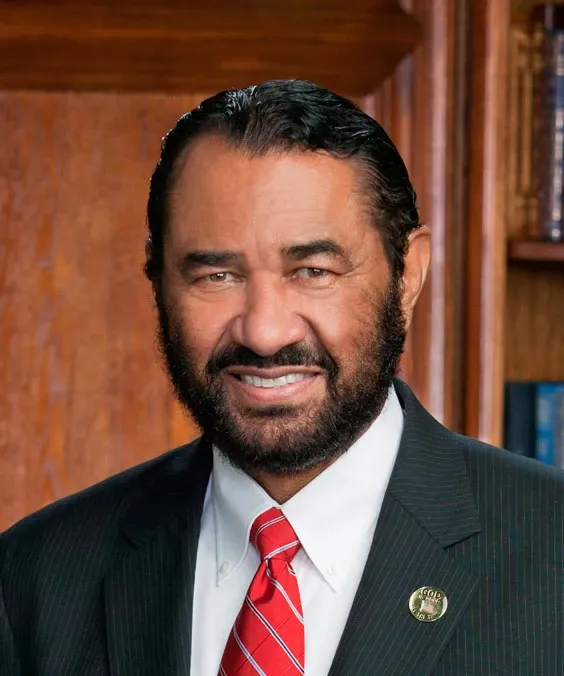
Sylvia Rodriguez Garcia is a U.S. Representative for Texas's 29th congressional district, serving since January 3, 2019. A member of the Democratic Party, she has a background in law and public service, which informs her legislative priorities. Garcia has focused on issues such as healthcare, education, and economic development, advocating for the needs of her constituents in Houston and surrounding areas. Her work emphasizes support for marginalized communities and women's rights.
We feel the pain of the people of East Palestine. We stand with them in demands for change in safety in the railroad industry. It is not just what trains carry. It is their weight, it is their length, it is their mechanics, it is the…
House Democrats are putting people over politics by lowering healthcare costs and creating better- paying jobs. We are cutting costs for healthcare coverage, capping insulin at $35 for Medicare patients, and giving Medicare the power to…
House Democrats are putting people over politics by lowering kitchen-table costs, creating better-paying jobs, cutting costs for healthcare coverage, and capping out-of-pocket drug costs for seniors. However, extreme MAGA Republicans have…
This Committee is designed to inject extremist politics into the justice system and to shield the MAGA movement from the legal consequences of their actions.
As we heard last night at the State of the Union Address, President Biden's first 2 years delivered a record-breaking number of new jobs. In total, 12 million new jobs were created for hardworking Americans. I repeat that: 12 million new…
this Committee and MAGA Republicans are all about 'all show and no substance,' or, as we say in Texas, 'all hat and no cattle.'
the Federal government has a long history of weaponizing its power against minorities, like communities of color, religious minorities, and immigrant communities.
I worry that the Republican Majority is not committed to taking some essential steps to combat this issue.
significant investments might be necessary, particularly in the global south, to ensure that China's presence does not grow stronger.
I would like to begin by focusing on China's strong financial presence in Latin America.
Politicians like Sylvia Rodriguez Garcia