May 23, 2016
Congress must regularly reassess the process that has allowed the FTC to avoid meaningful judicial scrutiny.
The Public Record
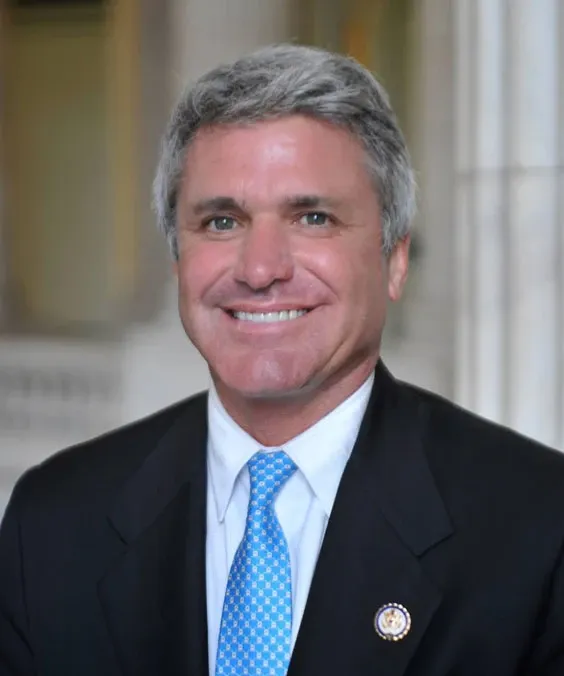
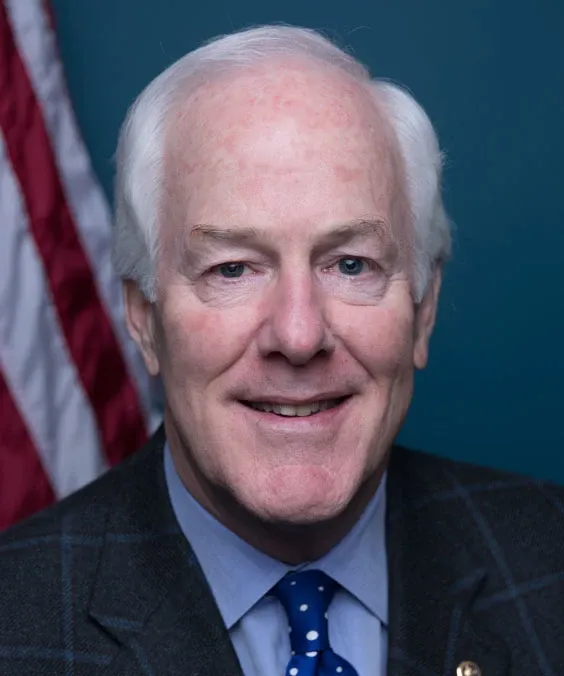
Michael Clifton Burgess is an American politician and physician who has served as the U.S. Representative for Texas's 26th congressional district since 2003. A member of the Republican Party, Burgess has focused on healthcare policy, leveraging his medical background to inform his legislative work. He has been involved in various committees and has advocated for issues such as medical research and veterans' healthcare. Burgess has also been a vocal supporter of conservative fiscal policies and has participated in discussions surrounding healthcare reform.
Congress must regularly reassess the process that has allowed the FTC to avoid meaningful judicial scrutiny.
Thank you, Chairman Burgess, Ranking Member Schakowsky, members of the subcommittee.
This hearing is a product of our ongoing Disruptor Series, and the package of bills we are considering today is the result of what we have learned from these hearings.
It is essential we protect consumers' right to free speech and remove any doubt in potential consumers' minds that the reviews they are reading online are anything other than fair and accurate.
We are long overdue to revisit the FTC Act and ponder some targeted adjustments.
A company should never be in the business of preventing American consumers from speaking honestly.
If I could just--in your report, one of the statements made is more information regarding the secondary distribution system for pet medications could allow for deeper analysis of the economic product and safety concerns.
I remain concerned that this legislation, like the legislation passed years ago mandating similar procedures for contact lenses, unduly interferes in the relationship between a doctor and his patient.
So mark me as skeptical that a Federal approach rather than one that works with State regulators truly creates an environment that is beneficial to consumers and their pets.
Some would argue that Congress shouldn't even be in the business but we are and we've been there for 50 years.
In the act, we sought to put power back in the hands of those who actually provide the care so the doctors, not agencies, will help shape Government care payments systems of the future.
The hard work is far from over, however, and we've entered into what I like to consider a 5-year cessation of hostilities between the Congress, the agency, and doctors.
Part of the effort in passing the H.R. 2 was to deal with that but then a larger effort is--has been included in H.R. 6
Nothing pulls the joy out of the practice of medicine like realizing your Congress is going to whack you off at the knees December 31st every year for, what was it, 17 years.
Some of us did not do that legwork, nor did we vote for it, nor will we ever, Mr. Green.
Mr. Chairman, I would just say after well over 10 years on this subcommittee one of my fondest wishes was to come in here someday and have a panel of doctors tell us how much economists should be paid.
We're losing the ability to access information that we need to rescue victims and solve crimes.
I see it where we have a lack of information that I've not seen before in my 20 years of investigations.
It's possible like never before for someone even in another country to victimize a child here in the U.S.
Certainly in the very early days of President Obama's administration the statement was made repeatedly that transparency would abound in this healthcare law.
Politicians like Michael Burgess