May 16, 2013
I am honored to yield 1 minute to the author of the legislation that we are debating today, the gentlelady from Minnesota (Mrs. Bachmann).
The Public Record
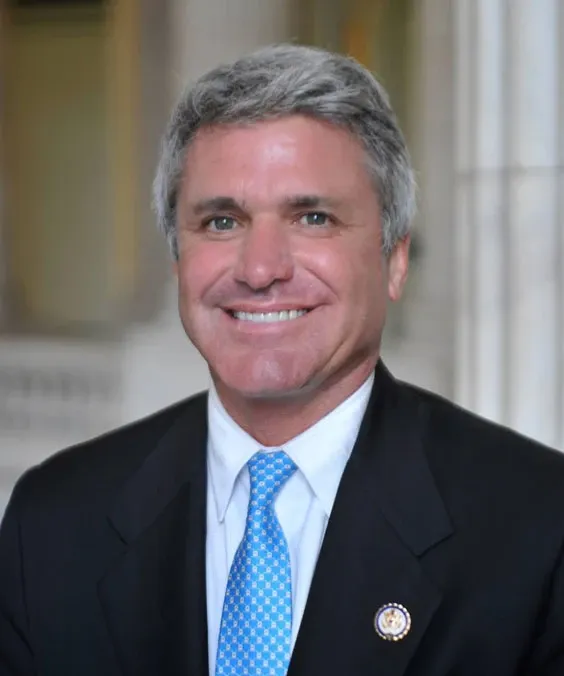
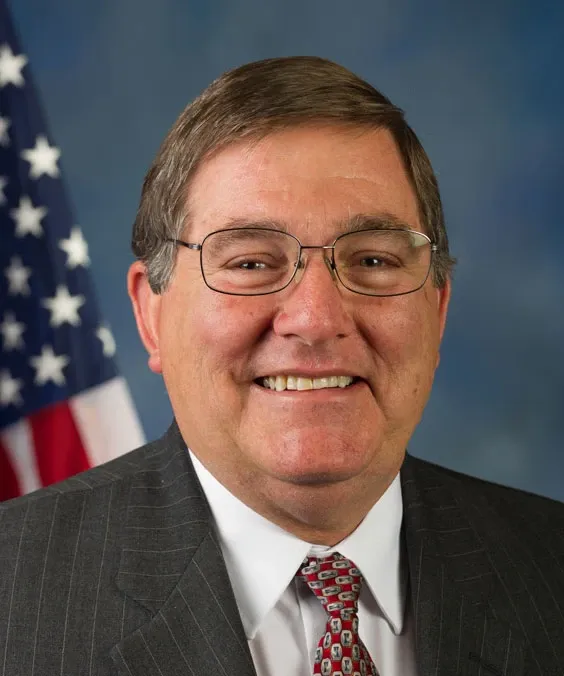
Kevin Brady is a Republican politician from Texas, best known for his role as a member of the U.S. House of Representatives, where he served from 1997 to 2021. During his tenure, he held significant positions, including Chairman of the House Ways and Means Committee, where he played a key role in shaping tax policy and economic legislation. Brady was instrumental in the passage of the Tax Cuts and Jobs Act of 2017, which aimed to reduce taxes for individuals and businesses. He has also been an advocate for various initiatives related to trade, healthcare, and education.
I am honored to yield 1 minute to the author of the legislation that we are debating today, the gentlelady from Minnesota (Mrs. Bachmann).
At this time, Madam Speaker, I yield 1 minute to a long distinguished Member of this House and one who is very knowledgeable of health care and the costs to families and businesses, the gentleman from Georgia (Mr. Kingston).
Is this government so drunk on power that it would turn its full force, its full might, to harass and intimidate and threaten an average American who only wants her voice and their voices heard?
The United States is suffering from an economic growth gap, and manufacturing is no exception.
I would like to thank Vice Chair Klobuchar for choosing the topic of today's hearing, 'Women in Manufacturing.'
I would like to recognize the leadership of Congresswoman Carolyn Maloney of New York on women's employment issues.
Thank you for yielding. I agree with you about the importance of moving our appropriations bill. The majority leader has announced we will begin the process of funding our government in June through an open appropriation, and through those…
Thank you for yielding. As you know, there are significant differences. The Senate budget includes over $1 trillion in new tax hikes on small businesses and families, which would be very damaging for the economy. The Senate Democrat bill…
Thank you. As you know, Chairman Ryan and Chairman Murray are in discussions about the budget. It is I think encouraging that for the first time in 4 years this is actually occurring, the Senate has finally passed a budget. But we know…
My belief is that we must close the back door of illegal immigration so that we can keep open the front door of legal immigration.
I am convinced we need to firmly shut the backdoor of illegal immigration in order to keep open and fix the front door of legal immigration.
What kind of workforce does America need to remain the strongest economy in the world, and what steps do we need to take to ensure we have that 21st century workforce?
Economically, with America's population not replenishing itself, attracting workers that fill in the gaps is absolutely essential if we want to remain the strongest economy in the world through the 21st Century.
Right now, my view is that the Senate proposal appears heavy on family ties in citizenship rather than on skills and guest workers.
I am convinced the priorities that America sets for immigration are too important to get wrong because of their impact on security and our economic future.
There's little doubt the front door of legal immigration is--by all measurable standards - broken.
If we wish to remain the world's largest economy through the 21st Century, the economic objective of any immigration reform must be to maximize potential economic benefits for the Nation, while minimizing costs to hardworking American…
My belief is that we must close the back door of illegal immigration so that we can keep open the front door of legal immigration.
I am not a fan of Washington picking out a regional model, injecting it full of bureaucracy, and deeming it for the reset of the country.
I think this is extremely important. And I want to commend all of the panel members.
The SGR is a major contributor to an unhealthy system, and it needs to change this year.
We need to repeal the SGR so that seniors continue to have access to their local doctors.
We need to reform the physician payment system to reward high-quality care to patients and value to health care.
Let me repeat that: according to the White House it will take at least a decade before America's unemployment rate returns to its level before the recession.
On behalf of Vice Chair Klobuchar and myself and the Committee, I want to thank both of you for being here today.
Politicians like Kevin Brady