Jun 24, 2009
The only other thing I would say is that I am glad, Mr. Chairman, that you emphasized the economic part of it.
The Public Record
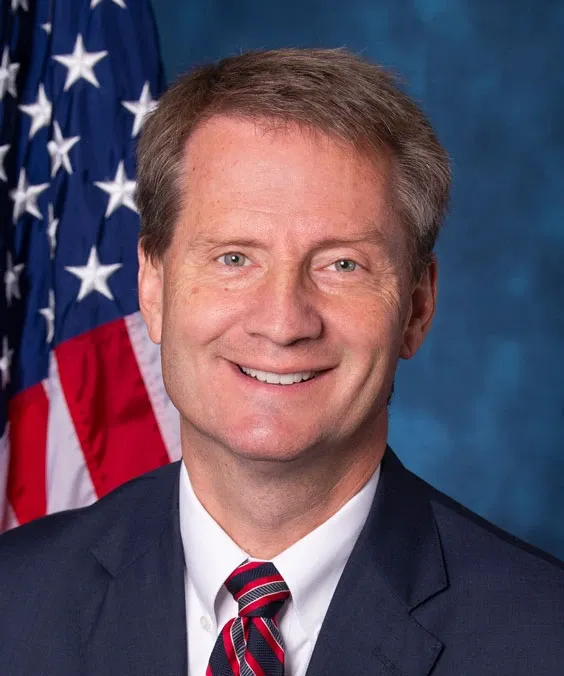
Lamar Alexander is a prominent American politician and attorney who served as a United States Senator from Tennessee from 2003 to 2021. A member of the Republican Party, he was previously the Governor of Tennessee from 1979 to 1987 and held the position of U.S. Secretary of Education under President George H.W. Bush from 1991 to 1993. Throughout his career, Alexander has focused on education reform, energy policy, and bipartisan cooperation in Congress.
The only other thing I would say is that I am glad, Mr. Chairman, that you emphasized the economic part of it.
That is changing somewhat now, based on my visits, because of the natural beauty of the area and the parks in the area.
I think for West Virginia, Virginia, Kentucky, Tennessee, all of Appalachia, all those of us who are charged with oversight of environmental laws, consistency, clarity, is at a premium.
But your administration may not be there. Will it be there for another year-and-a-half? And would you agree that, in order to make sure that we do not have those excess wastes put in valley streams again, that we should change the Federal…
Thanks, Mr. Chairman. Again, I apologize to the witnesses for, well, when I was Governor I could schedule things properly.
I have called for a mini-Manhattan Project to find ways to capture carbon from coal plants.
People come to Tennessee, and to other parts of Appalachia, to see the natural beauty, not to see smoggy air, massive ridgetop towers or excess waste piled into streams.
Coal is an essential part of our energy future. But it is not necessary to destroy our mountaintops in order to have enough coal.
The legislation that Senator Cardin and I have introduced and which will be considered in due time, does not ban surface mining as it is presently practiced in Tennessee, but it does help make sure that the beauty of our mountains and our…
It needs to stop, and I hope that today's hearing will start us on that path.
So, what is the Governor's attitude, and yours, about the importance of maintaining the parks and the natural beauty of the area as a way of raising family incomes in the upper Cumberland part of Tennessee?
I think back on the Great Smoky Mountain National Park, which is celebrating its 75th anniversary this year.
That is why I joined with Senator Cardin to make a simple amendment to the Clean Water Act that would end the practice of dumping coal mining waste into streams.
Our great laboratories are our principal engines of economic development, not just in Tennessee, but in our country.
Economic development today is different than it was 50 years ago, most people who work in it understand that better schools, colleges, universities, national laboratories are essential to it.
America's brain power advantage since World War II is the single greatest contributing factor to our high standard of living.
The other day they shut down an 8 mile section of Interstate 40 in Knoxville, one of the most heavily traveled interstates in Tennessee for 14 months. And they fixed it.
That would suggest that the cost overall of taking Medicaid to a 150 percent to States is going to cost somebody, either the Federal Government or the State governments, $4-$5-$600 billion over the next 10 years.
It would raise our costs $27 million if we were just prevented from doing what we did right now.
Governors have seen firsthand the burden that Medicaid causes. I mean, the fact of the matter is that it's completely out of control and is the main factor, in my view, in terms of bankrupting States.
Your testimony at other times is to say rather than get rid of the flexibility you now have to reward healthy behaviors by incentives, you'd like to have more flexibility, is that not right?
One area where we have great consensus is the importance of prevention and wellness.
Politicians like Lamar Alexander