Feb 1, 2010
I know my time is up. First of all, again I want to thank both witnesses for being here.
The Public Record
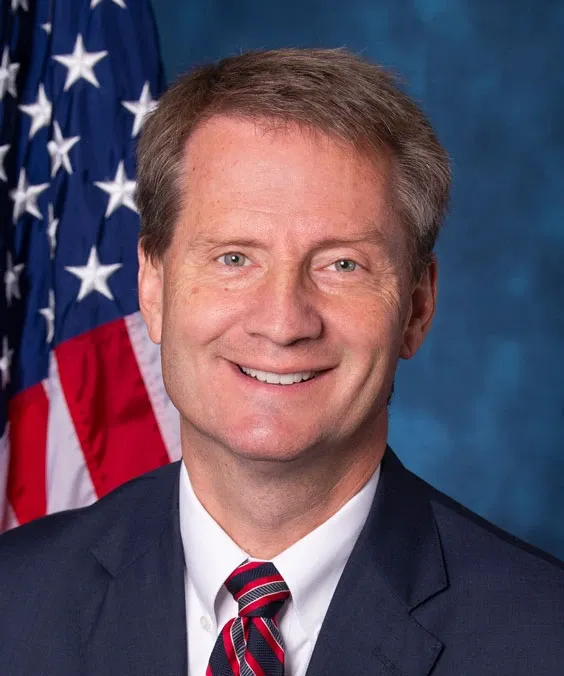
Bob Corker is a former United States Senator from Tennessee, serving from January 4, 2007, to January 3, 2019. A member of the Republican Party, Corker was known for his leadership as the chairman of the Senate Foreign Relations Committee, where he focused on issues related to foreign policy and fiscal responsibility. During his tenure, he played a significant role in shaping U.S. foreign relations and was involved in key legislative efforts regarding international agreements and budgetary matters.
I know my time is up. First of all, again I want to thank both witnesses for being here.
I think there has been a misnomer put upon the American people by many commentators...
I am talking about the bank's capital cannot leave the commercial bank and go to the other parts of the bank holding company without taking a reduction in capital at that commercial institution.
I think this is an opportunity for us, I think, to continue to put pressure--to make sure that more draconian steps are taken.
I rise to speak about the Gregg-Conrad amendment that I hope we will vote on later this evening or tomorrow. I know everybody in this body is concerned greatly about the long-term issues we have to deal with as relates to our deficits. I…
I am absolutely a cosponsor and I absolutely agree that political winds are blowing, I might add, on both sides of the aisle. The President tried to announce something yesterday that we all know is not as strong as this amendment. It was…
I think this statutory commission is our best hope at restoring fiscal sanity in this country. It is important that we adopt it. I am proud to be a cosponsor of the amendment. There are a number of us on this side of the aisle who are…
I think, to the degree that climate enthusiasts can figure out a way of focusing on climate without it being a net-plus extraction from our citizens' pockets into your pockets or our pockets, that would be a good thing.
I do think that, you know, there's probably 35-percent energy consumption out there that could be reduced through efficiencies.
It seems--it does sort of feel, to us, that you're slow-walking the things that many of the folks in the White House may think are bad policies.
It seems like, in every case, it leads us to the development of a country, and the fact that there's poverty and not opportunity.
Politicians like Bob Corker