Jun 8, 2009
The Navy has vastly expanded its estimate of size of the so-called fighter gap, putting the shortfall of fighter planes at 243 aircraft by 2018.
The Public Record
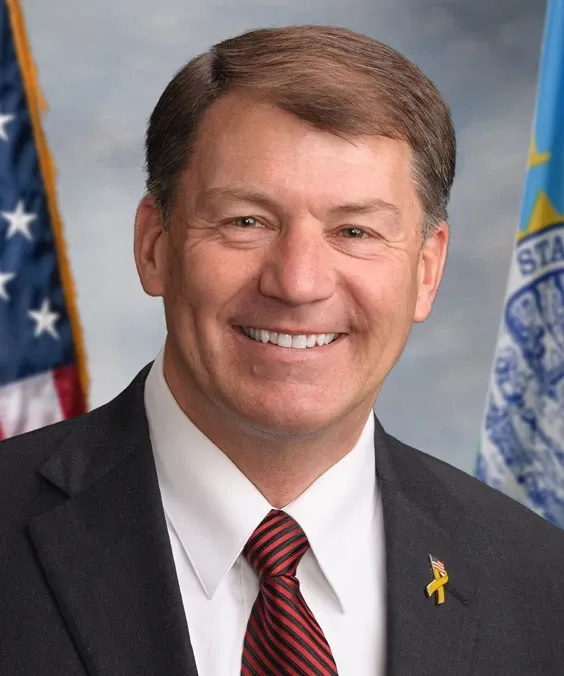
John Randolph Thune is an American politician serving as the senior United States senator from South Dakota since 2005. A member of the Republican Party, Thune has been a prominent figure in national politics, focusing on issues such as immigration enforcement, border security, and federal worker compensation. He has played a significant role in shaping Republican policy in Congress and has been involved in various legislative initiatives throughout his tenure.
The Navy has vastly expanded its estimate of size of the so-called fighter gap, putting the shortfall of fighter planes at 243 aircraft by 2018.
The F-35 program development schedule is likely to slip from 12 months to 27 months
We need to put whatever funding is available to ramp up F-35 production rates
Carrier aviation and our carrier strike group force structure are vital to executing our Military Strategy in support of the Nation's security and strategic objectives.
The Department of the Navy has identified a naval aviation strike fighter shortfall, which it projects to be more than 240 aircraft by 2018.
I would echo Senator Chambliss' comments about budgetary factors driving a lot of our decisionmaking.
The Department of the Navy's strike fighter gap could be a problem, especially if the JSF slips in becoming IOC.
In terms of the TACAIR portfolio, are there any aspects of that plan with which you have any difficulty?
The fiscal year 2010 budget is an integral part of a much longer term process that will help insure defense dollars are spent wisely to address the threats that we face today and will likely face tomorrow.
The transparency issue and price discovery, however those are regulated going into the future, that those elements be a part of any solution.
It is critical, back to Senator Chambliss' questions, that we have international cooperation.
I think we have to figure out how do we do that in a way that is responsible, that is smart.
It seems to me that the question is there clearly needs to be some kind of reform of the regulatory system.
Right now we have the Auto Task Force, we've got, of course, U.S. Treasury Secretary Tim Geithner, the White House, a lot of folks involved in the decisionmaking process.
Thank you all very much for being here today. And to Mr. Press and Mr. Henderson, it has got to be uncomfortable for you to have to come here.
What's the rationale for completely closing dealerships now, if you plan to have a larger presence in the same area in the near term?
Many of us didn't support the auto bail-out legislation last December, but the fact remains that the taxpayers are now a very big part of this industry.
We have an obligation to ensure Federal resources are being used wisely and fairly and in the best interests of the taxpayers.
Those dealers being closed in all of our states are struggling to understand why the government is propping up the manufacturers.
I think we need to understand the scope of the impact that that kind of a treaty could have on our defense and U.S.
This is a team fight, and there have been a number of things, hopefully, policies, we have put in place that have improved just the way in which we deal with military families.
The airlines do have an issue that the Federal Government owns the production line of a major commercial industry and that's the airlines.
Politicians like John Thune