Jun 15, 2009
I guess I would ask of you is, as you take these issues on, that you take into consideration the impact on rural areas.
The Public Record
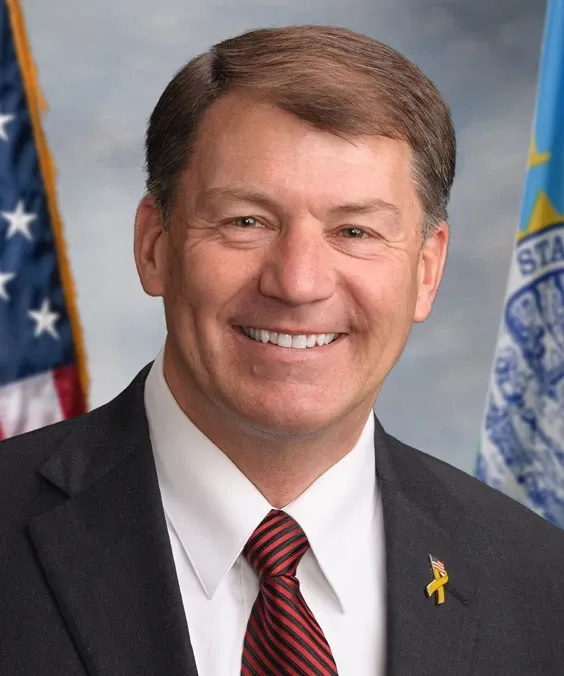
John Randolph Thune is an American politician serving as the senior United States senator from South Dakota since 2005. A member of the Republican Party, Thune has been a prominent figure in national politics, focusing on issues such as immigration enforcement, border security, and federal worker compensation. He has played a significant role in shaping Republican policy in Congress and has been involved in various legislative initiatives throughout his tenure.
I guess I would ask of you is, as you take these issues on, that you take into consideration the impact on rural areas.
I think the best way to resolve that is to ensure there is more competition in the last mile.
I hope the Commission can put a stake through the heart of that thing once and for all.
I look forward to continuing to work with you upon your confirmation on a lot of issues.
It seems to me at least, that that info being shared from a carrier to another prospective employer would be a very practical consideration.
The captain had a history of multiple FAA certificate disapprovals involving flight checks conducted before his employment with Colgan.
We feel it's critical that we work to get something that we can begin fielding into our forces.
Is the Army experiencing other shortfalls in other areas when it comes to equipment and trying to meet some of the changing dynamics of operations in Afghanistan relative to what we've been dealing with in Iraq?
We have to be concerned, though, and we all pray that the economy turns around, but for recruiters that'll make life difficult again, I'm sure.
As you all know, the President signaled his intention to move away from the use of supplemental spending bills to deal with overseas operations and instead to incorporate these costs into the regular budgeting process.
While the Army remains the best led, trained, and equipped army in the world, it is out of balance.
The success or failure of our efforts to modernize and transform the force of the future rests on decisions proposed, discussed, and implemented today.
Modernizing the Army is necessary to preserve our technological edge over potential adversaries.
Should Congress consider lifting that prohibition and allow FMS of F-22s, for instance to Japan and Australia, which have expressed some interest?
If the F-35 schedule slips or the rate of production is less than assumed, alternatives for managing the strike fighter shortfall seem limited.
General Trautman, will you have aviation training ranges ready to support the full spectrum of F-35 operations?
General Trautman, are you on track with all environmental actions and construction activities to be able to meet your deadline?
General Trautman, what is the current program of record for the number of F-35s to be stationed at your first operational location?
The Commandant of the Marine Corps recently testified to the committee that the Marine Corps will reach IOC in 2012 with a standing squadron ready to deploy.
The Marine Corps has an aggressive program of managing the operation life of all of its Harriers and Hornet models while waiting to introduce JSF into the operating forces.
The Marine Corps will continue to manage legacy fleets of Harriers and Hornets until introduction of STOVL JSF.
In your opinion does it make sense to increase concurrency between development and procurement?
Does there need to be a more open and insightful dialogue or debate on the significant challenges confronting the JSF program?
To what extent could an increased inventory of long-range bombers, in some ways, make up for the shortfall in Navy and Marine Corp strike fighters?
The current F-22 Raptor and JSF procurement plans would likely leave a gap of up to 800 fighter aircrafts by 2024.
Politicians like John Thune