Nov 20, 2013
And then they come back up in the last two or three years, but they are still down 30 percent.
The Public Record
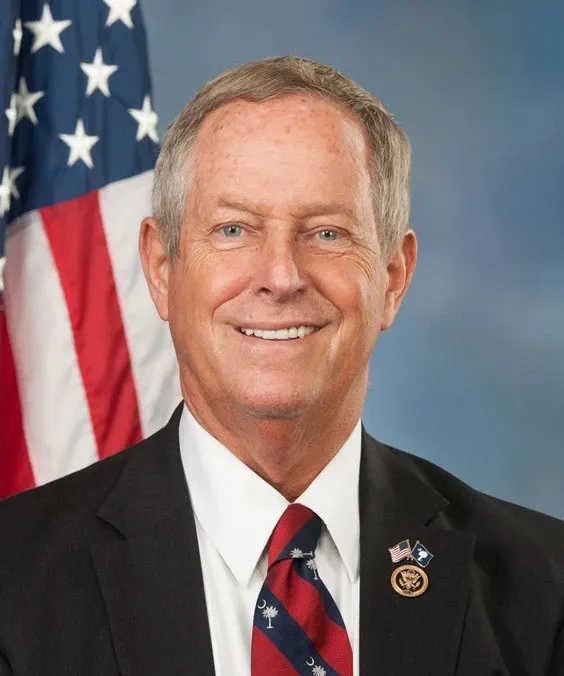
Tom Rice is an American politician and member of the Republican Party who has served as the U.S. Representative for South Carolina's 7th congressional district since 2013. Born on August 4, 1957, Rice has focused on issues such as economic development, job creation, and disaster recovery during his time in office. He has been involved in various legislative efforts to support the interests of his constituents in South Carolina, particularly in the areas of tourism and agriculture.
And then they come back up in the last two or three years, but they are still down 30 percent.
My point is statistically, I do not know how in the world you are ever going to know whether these things--if we are talking about 19, maybe possibly 19 based on an uncompleted study of 27 graduate students, how in the world are you going…
Do you think these driver fatigued regulations are really applicable to short haul?
But under the rule as proposed, are we not forcing drivers into those hours? Yes, clearly we are. Yes, we are.
That is almost unbelievable to me. So they are saying you could drive for 48 hours straight and not have a higher chance of an accident?
Do you think that these rules could force truck drivers to drive in a fatigued situation when they otherwise would not?
So actually, these rules could force you into a situation that you would normally thin was unsafe; correct?
If we put this rule in effect, are we going to know that it has had any effect at all?
We want to be efficient and productive, and we want our people to be compensated well.
I do think it is arrogance. I absolutely think it is arrogance. I think we need to rethink. We need to reset.
Well, I think that what we have got here is we had a rule in place that had reduced traffic deaths, fatalities, accidents by truckers by 29 percent I think is what Ms. Meng said and that we have done a study with 27 graduate students in…
This idea from the federal bureaucracy that you are going to throw a wet blanket over everybody is just absolutely absurd.
These people are not suffering from driving fatigue. They are in and out of their trucks all day long.
So is it more than 80 percent of motor carriers surveyed had experienced productivity loss since the new rules went into effect?
Did your study in its analysis of these 19 lives that could be saved, did it take into account the fact that truckers are now going to be moved into rush hour traffic?
Actually, it is such a small percentage that we will not even know if these rules are having any effect, will we?
All right. Today, how many trucking fatalities from trucking accidents are there average in America today?
What was the experience, the actual effect of the 2003 rule on injuries, fatalities, accidents, so forth?
So we do not want to insert the government into their lives any more than we need to.
I know that it is not the easiest position to be faced with all these questions, but you know, there are a lot of concerns.
Politicians like Tom Rice