May 21, 2019
Let's look to the other countries that have--you can call it not socialism, but government-run systems in anything is pretty much socialism.
The Public Record
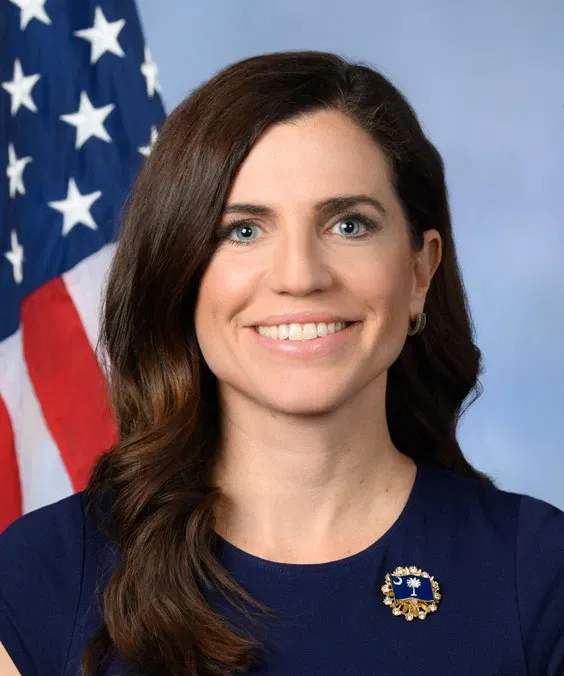
Ralph Warren Norman is an American politician currently serving as the U.S. Representative for South Carolina's 5th congressional district, a position he has held since June 27, 2017. A member of the Republican Party, Norman has focused on various issues including fiscal responsibility and conservative governance. He has been an advocate for reducing government spending and has voiced strong support for former President Donald Trump's policies.
Let's look to the other countries that have--you can call it not socialism, but government-run systems in anything is pretty much socialism.
Not sustainable, not going to be for the United States as it hasn't been for any of the socialistic countries who are basically going broke.
Our nation's debt is now $22 trillion. It has been estimated that the single-payer system would add $32 trillion.
I keep hearing this word 'free.' Okay, I am for free medical care, with the caveat, get the doctors to work for free.
Let's look at Great Britain. Look at the shortages in physicians, 11,500 physicians short, 42,000 nurses short.
In my state of South Carolina, we have got that single mom who is supporting two or three children, her premiums skyrocketed 62 percent.
I welcome the chance to consider the issue of infrastructure resilience and highlight the role the Federal government can play.
Reliable and strong infrastructure is critically important to my home State of South Carolina.
Well, and I just urge you, what we hear at the local and State level are a lot of the decisions are made at the local level, and they're set in their ways with using a particular type of product that they've used just because they used it…
In case you're wondering, the rose on my lapel is for the 100-year women's right to vote.
Thank you, Chairwoman Sherrill, for convening this meeting, and thank each one of the witnesses for taking the time to come.
This is very promising, because some of the biggest problems we have... the mental health aspect falls through the cracks
The value of this, if we can have data, however small, it will pay dividends on down the road.
By having the 2-year window to evaluate it, we're going to encourage the patients, the veterans that are actually being served, to get involved.
At the end of the day, it's to help that veteran. It's to help that family of the veteran.
I think one of the advantages, and why we put the pilot program in, is to give it time to see what works and what doesn't work.
A lot of these veterans are, particularly on some of the surgeries they need, being put off time after time again.
What greater service can we provide than people such as yourself, when you call in with a particular illness, be able to say, we've included your data, along with others, here is what some treatment can be based on the information.
I agree, and in my office this week, National Police Week, we had six police officers, three of them had gotten shot, and guess who did the shooting? A veteran from the Vietnam War who was on the SWAT team.
That's why it's so important. If you don't have the backup data, how do you--and if you can't find it, like you say, then how do you act on it?
Politicians like Ralph Norman