Nov 30, 2011
Does the Senator agree it is good policy to hold and interrogate someone who is helping al-Qaida to find out what they know?
The Public Record
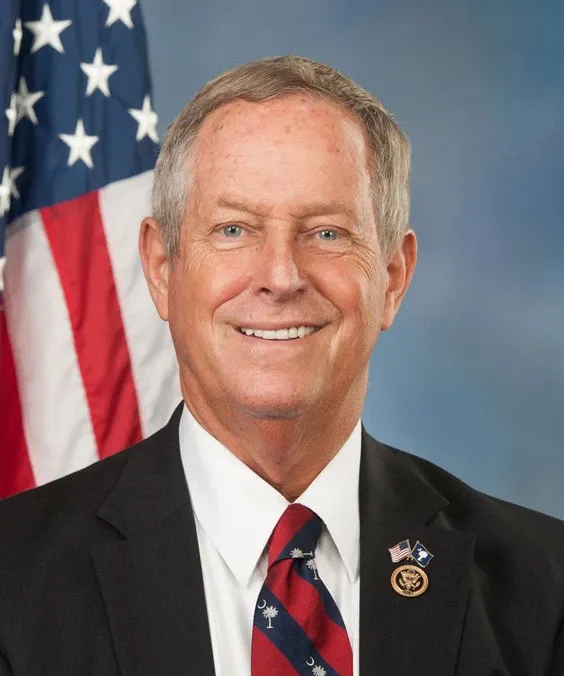
Lindsey Olin Graham is an American politician serving as the senior United States senator from South Carolina since 2003. A member of the Republican Party, Graham has been a prominent figure in national politics, known for his work on issues such as national security, foreign policy, and judicial appointments. He has played a key role in various legislative efforts and has been an outspoken advocate for military support to Ukraine in recent years.
Does the Senator agree it is good policy to hold and interrogate someone who is helping al-Qaida to find out what they know?
Does he agree with me that in World War II some American citizens agreed to assist the Nazis and were held as enemy combatants?
Does the Senator agree that in past wars American citizens, unfortunately, have collaborated with the enemy?
That is correct, and we have been working on that together for 5 years. To respond, if I may, because I think it is a very good discussion, does the Senator agree with me that under the law that exists today, in terms of the Supreme Court…
Right. What we have done in the Military Commissions Act in 2009, civilians, American citizens cannot be tried in military commissions. It can only go to Federal court. But the point we are trying to make is it has been long held in this…
Yes. The point is---- Mr. McCAIN. Not a civilian trial, not given her Miranda rights, but tried by military tribunal.
I will be glad to yield to my friend from Illinois. Let me just try to set the stage the best I can. And I would love to have Senator Levin weigh in and anyone else. The law, as it exists today, to my good friend from Illinois, has long…
That is correct. Mr. McCAIN. Is it not true that according to that decision, the U.S. Supreme Court, whom we ask to interpret the Constitution of the United States--they have made many interpretations over the years--says there is no bar…
Yes, it is. Mr. McCAIN. So our colleague from Illinois who continues to quote from the Constitution of the United States fails to quote from the specific addressing of this issue by the U.S. Supreme Court, specifically the Hamdan decision…
As I understand the purpose of this amendment, it is basically to have the Congress on record for the concept that once you are determined to be an enemy combatant, a part of the enemy force, there is no requirement to let you go at any…
Does he agree with me that our courts understand that when an American citizen collaborates with an enemy of our Nation, that is an act of war by that citizen against his own country and the law of war applies, not domestic criminal law?
Does my colleague agree with me that makes perfect sense, that an American who helps the Nazis has committed an act of war, not a common crime?
Politicians like Lindsey Graham