Mar 17, 2009
What are the opportunities and the parameters of such discussions from both DOD and SAMSHA perspectives?
The Public Record
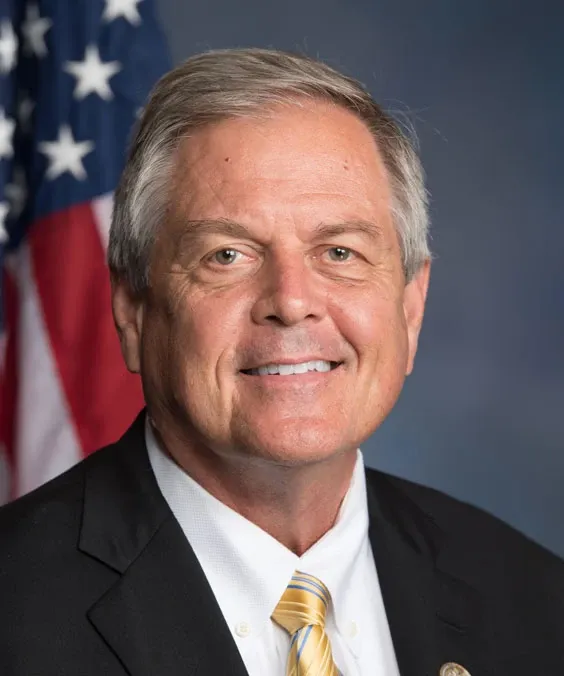
Lindsey Olin Graham is an American politician serving as the senior United States senator from South Carolina since 2003. A member of the Republican Party, Graham has been a prominent figure in national politics, known for his work on issues such as national security, foreign policy, and judicial appointments. He has played a key role in various legislative efforts and has been an outspoken advocate for military support to Ukraine in recent years.
What are the opportunities and the parameters of such discussions from both DOD and SAMSHA perspectives?
I look forward to learning about what you're trying to do to control this problem, and I appreciate the hearing.
But do we, as a matter of routine, inform the military, 'You have a problem here'?
We know that statistically suicide is rare yet it remains one of the leading causes of death among young adults.
I think it's a cumulative effect of deployments that run from 12 months to 15 months.
the number of suicides by members of the Reserves is significantly less than for the Active component.
I think what we have is a resource problem, but, more than anything else, we have a holdover of stigma.
Okay. Major General Rubenstein and Brigadier General Sutton, is that disturbing?
I am concerned that DOD does not appear to get feedback from the National Suicide Hotline about calls to that hotline by military members.
What additional metrics regarding attempted suicides are needed in order to tailor specific suicide prevention strategies to populations at risk in DOD?
The fact that no one was prepared for a million displaced families is not shocking.
When one of these storms hits or a catastrophe hits, no one asks your party affiliation.
Major General Rubenstein, how do you track whether or not a soldier attains that care?
The Army's suicide prevention strategy does not rely on increasing dwell time as part of our approach to reducing suicides.
Do you believe there's a shortage of mental health counselors in the military?
I know this is hard, but that's the most overwhelming evidence I've heard that there is a real stigma problem here.
Major General Rubenstein, we often hear that although the post-deployment health assessments are performed by a high percentage of soldiers returning from combat, many who are referred for follow-up care never obtain it.
I was very encouraged and excited after our meeting that we can contribute to what I think is an important dialog when it comes to the war on our Southern border.
I think the critical--it is the recognition that we see increasingly throughout the country that part of what fuels this violence in Mexico are the flows of weapons and money south.
I think it is a wise investment in these economic down times that we live in here at home.
You said something to me that was pretty intriguing, that you have been able to manage the health care costs of the veteran population significantly without the inflationary costs associated with Medicare.
Politicians like Lindsey Graham