Jan 31, 2017
I have had three sons serve in Iraq, in Afghanistan--field artillery, Navy doctor, Corps of Engineers.
The Public Record
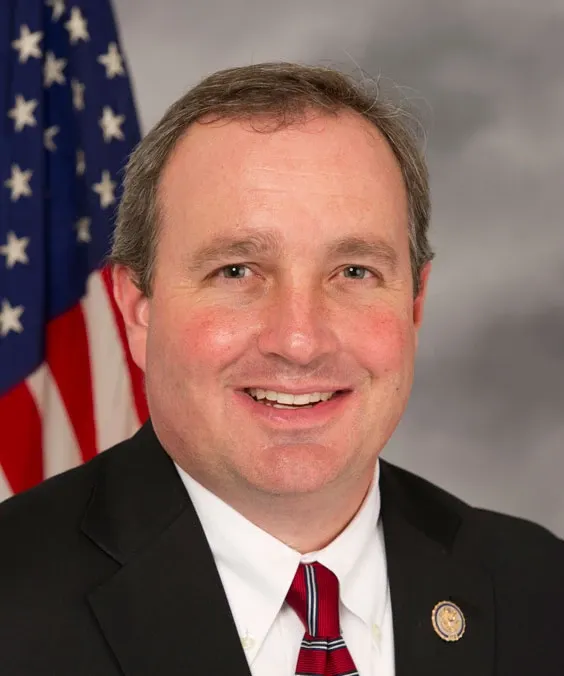
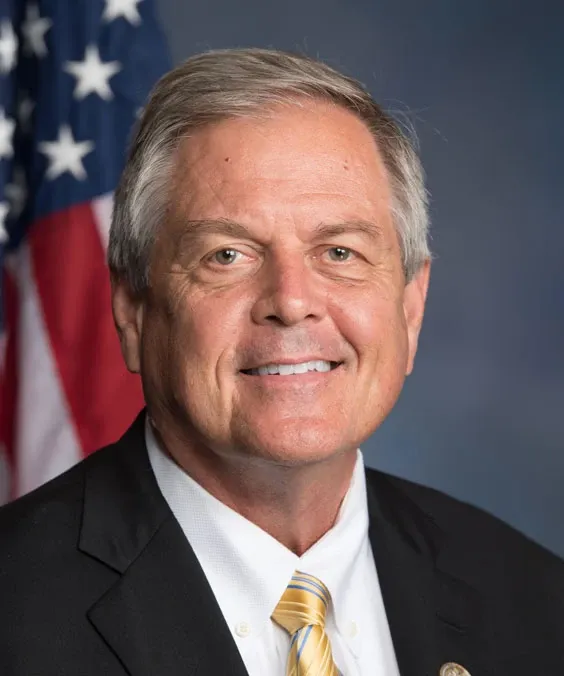
Joe Graves Wilson is an American politician serving as the U.S. Representative for South Carolina's 2nd congressional district since 2001. A member of the Republican Party, he has been involved in various legislative efforts during his tenure in Congress. Wilson is known for his focus on issues such as military and veterans' affairs, education, and energy policy. He has also been active in promoting economic development in South Carolina.
I have had three sons serve in Iraq, in Afghanistan--field artillery, Navy doctor, Corps of Engineers.
Mr. Chairman, I move to adopt Committee Resolution No. 1 concerning the committee rules.
Can you tell us for the past three years what your time-to-hire is for each of the various types of direct hire?
This committee has sponsored and the Congress has passed numerous personnel management authorities for the laboratories.
And, General, if there is any legislative initiative that we need to follow up--because we have constituents come to us frequently with extraordinary innovation that would be helpful to small businesses, and however we can expedite them…
I am pleased to welcome everyone here today for this hearing on the role of the Department of Defense [DOD] laboratories in supporting military operations.
To me, he has not learned the lesson of 9/11, which was where there is a safe haven, such as Afghanistan, that the American families are at risk.
By providing the Iranian regime with $1.7 billion worth of nearly untraceable foreign cash without the knowledge of Congress, the Obama administration has put American families at risk.
It's utterly absurd the thought of bringing them to the United States in any way or releasing them.
Why should the Israelis ever believe that they have a genuine partner for peace when the other side is encouraging the type of behavior that is being discussed?
And if that wasn't clear, of course, the propaganda that you have cited, too, and the boasting about the murder of the young lady last week, the teenager, stabbing to death, is just incredible.
It is just absolutely appalling to me that we have a situation with the Palestinian Authority which is providing rewards to murderers' families.
It has just been terrific to work with each of you, it has been so meaningful, on cyber operations.
And I am particularly grateful, there are subcommittee members here who have been so important.
I also appreciate Congressman Dana Rohrabacher for his persistence for releasing Dr. Afridi, the hero of identifying Osama bin Laden.
Thank you, Chairman Royce and Ranking Member Engel, for convening this markup today.
Politicians like Joe Wilson