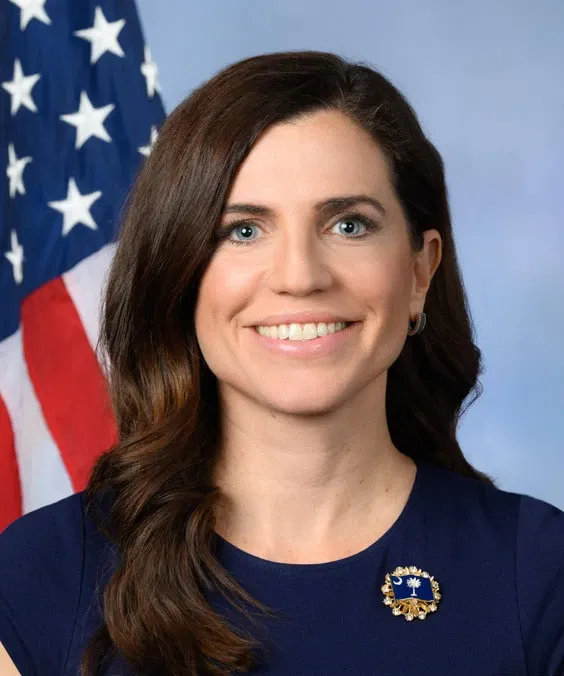
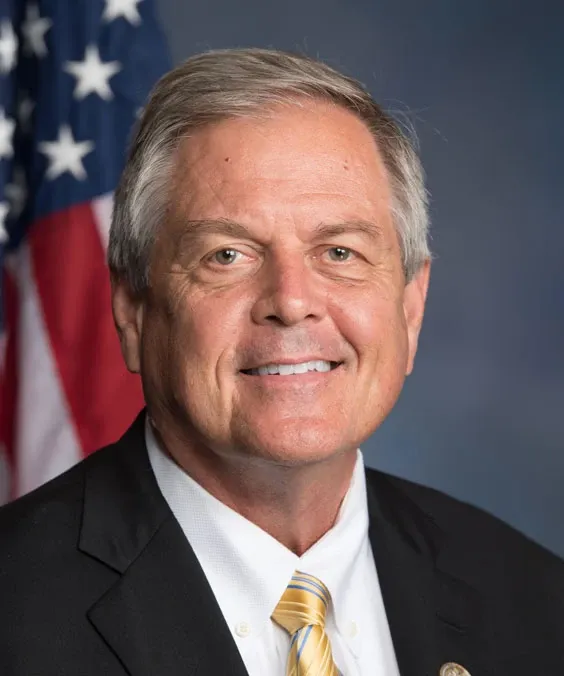
Ben Bernanke
The Public Record
Ben Bernanke is an American economist and former chairman of the Federal Reserve, serving from 2006 to 2014. Although he is primarily known for his role in managing the U.S. monetary policy during the financial crisis of 2008, Bernanke has also contributed to economic research and policy discussions. He is a member of the Republican Party and has ties to South Carolina. Bernanke's tenure at the Federal Reserve was marked by significant actions to stabilize the economy, including implementing quantitative easing and other unconventional monetary policies. After leaving the Federal Reserve, he has continued to engage in economic analysis and commentary.
Feb 23, 2009
If we hadn't had the TARP money in October, we would have had a global banking crisis.
Feb 23, 2009
I think the idea of using a public-private partnership in an asset purchase facility is potentially appealing.
Feb 23, 2009
It seems more appropriate, given the close relationship between the Federal and State governments, for that to be the locus of addressing those issues.
Feb 23, 2009
I think a complete recovery would require a global recovery and that would require----
Feb 23, 2009
If unemployment benefits are not distributed to the unemployed, then obviously they won't spend them and it won't have that particular element of stimulus.
Feb 23, 2009
We got involved in them, frankly, because there is no clear resolution authority, in the United States for dealing with systemically critical failing institutions except for banks.
Feb 23, 2009
As we look at regulatory reform, we need to ask the question, are all the sectors of the economy that need oversight, are they being watched by somebody or are there major gaps where there is no effective oversight where there needs to be
Feb 23, 2009
So the purpose of the test is to try to ensure that even in a bad scenario, banks will have enough capital.
Feb 23, 2009
If we are going to have a strong recovery, it has to be on the back of a stabilization of the financial system
Feb 23, 2009
The purpose of these tests is to try to assess how much additional capital and what kind of capital they need so they will be able to lend and support the economy even in a situation worse than we currently expect.
Feb 23, 2009
There is no commitment by any means to never shut down a big bank. Absolutely not.
Feb 23, 2009
I think we want to get as much certainty about the policy going forward so people understand the rules.
Feb 23, 2009
We are going to be very tough on them to make sure... they take whatever drastic steps are necessary to restore themselves to profitability.
Feb 23, 2009
We would be delighted if the Congress would pass a substantial resolution regime that would create a set of rules and expectations for how you deal with a firm of this type that is failing and leave the central bank out of it entirely.
Feb 23, 2009
The worst thing that could happen is if we don't get cooperation from Europe, from Asia.
Feb 23, 2009
We need to think hard going forward how we are going to address that problem, but right now, we are in the middle of the crisis.
Feb 23, 2009
Well, if they were all tied to the stock market, that would certainly be a problem, right.
Feb 23, 2009
We are committed to ensuring the viability of all the major financial institutions.
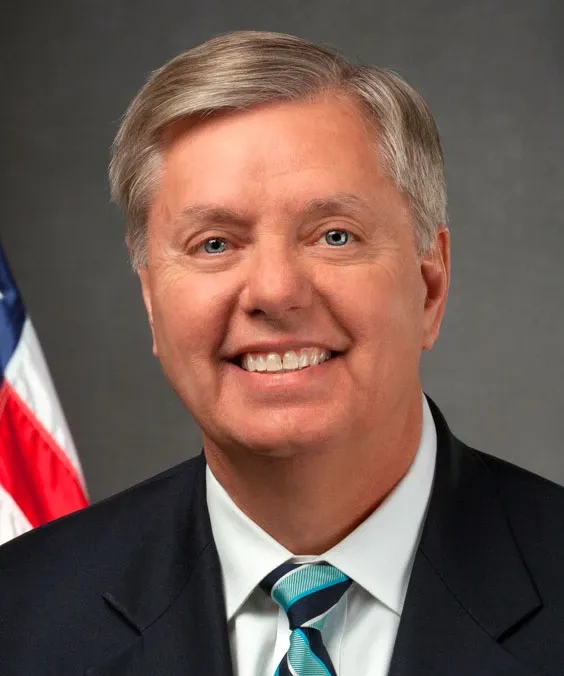
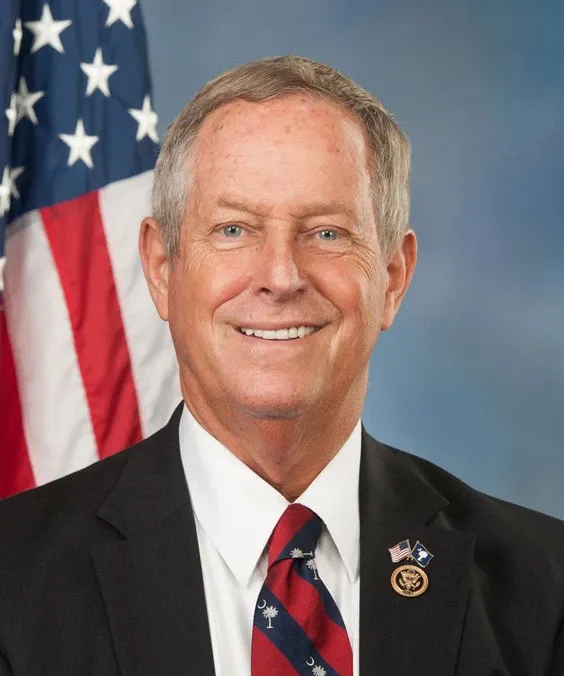
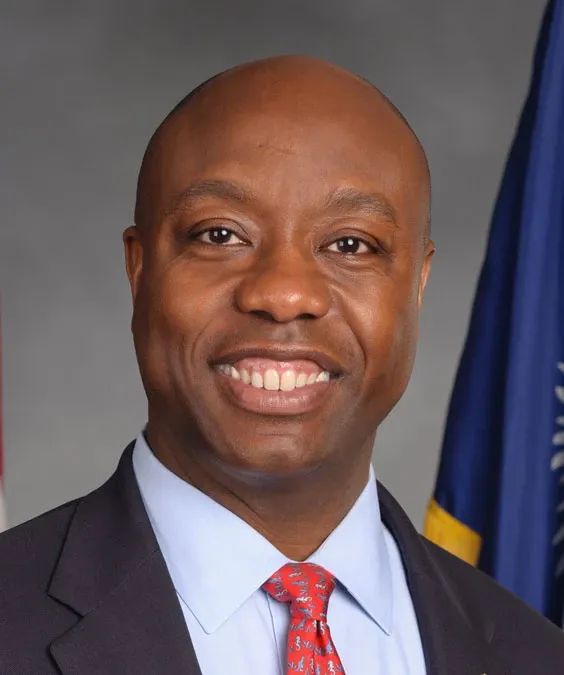
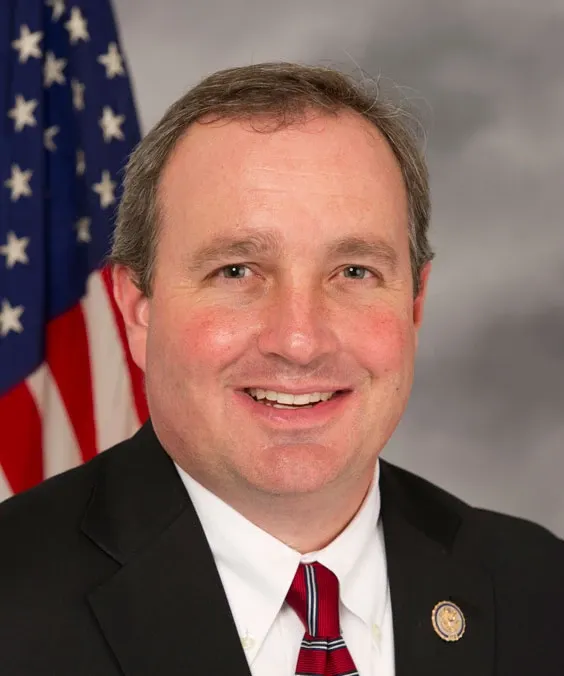
Politicians like Ben Bernanke