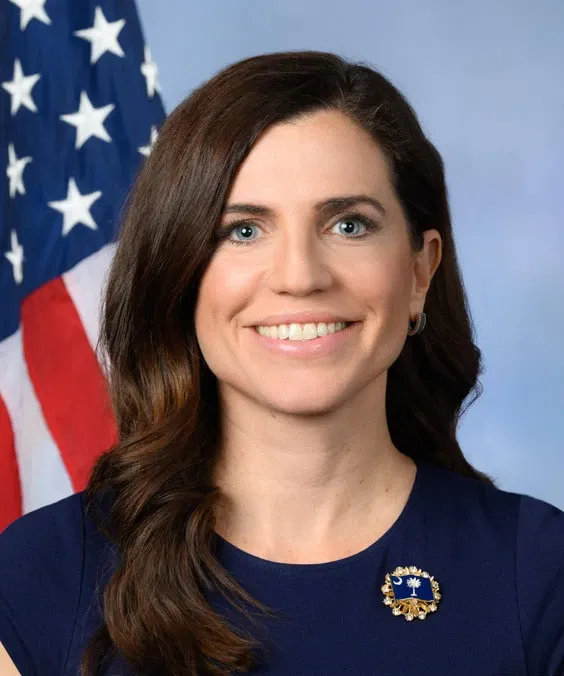
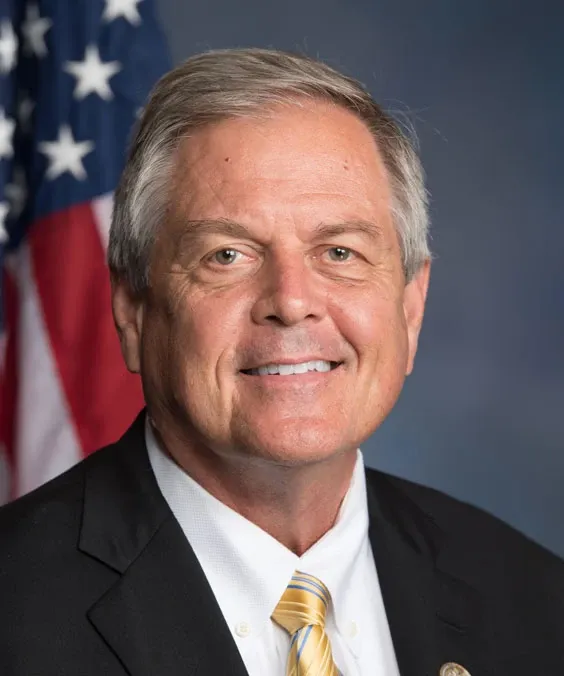
Ben Bernanke
The Public Record
Ben Bernanke is an American economist and former chairman of the Federal Reserve, serving from 2006 to 2014. Although he is primarily known for his role in managing the U.S. monetary policy during the financial crisis of 2008, Bernanke has also contributed to economic research and policy discussions. He is a member of the Republican Party and has ties to South Carolina. Bernanke's tenure at the Federal Reserve was marked by significant actions to stabilize the economy, including implementing quantitative easing and other unconventional monetary policies. After leaving the Federal Reserve, he has continued to engage in economic analysis and commentary.
Dec 2, 2009
I think the institution with the most experience in these kinds of resolutions is the FDIC.
Dec 2, 2009
It is imperative, the most important thing that Congress can do is find a way to solve the 'too big to fail' problem.
Dec 2, 2009
Countries that have independent central banks, that make monetary policy without political intervention, have lower inflation, lower interest rates, and better performance
Dec 2, 2009
If there is not credit, then that affects the ability of people to buy autos and other goods and services.
Dec 2, 2009
We have continued to keep interest rates close to zero to try to stimulate growth.
Dec 2, 2009
Until we restore employment across the country, we have not brought back the economy.
Dec 2, 2009
I am not in any way advocating unfair treatment of the elderly who have worked all their lives and certainly deserve our support and help.
Dec 2, 2009
Those are the programs which are growing. At the rate we are going, in about 15 years the entire Federal budget will be entitlements and interest.
Dec 2, 2009
The Fed has been very much engaged in trying to improve credit access for small businesses.
Dec 2, 2009
I would ask the Congress to consider retaining the 1978 exemption, which is a very wise exemption.
Dec 2, 2009
My concern is that, as you mentioned, Senator, the Fed's credibility depends on the market's perception that we are independent in making monetary policy decisions and we will not be influenced by short-term political considerations.
Dec 2, 2009
The buck stops here, we are responsible for that and we are, if anything, continuing to strengthen, centralize, and continuing to work to make sure that that supervision is as strong as possible.
Dec 2, 2009
As severe as the effects of the financial crisis have been, however, the outcome could have been markedly worse without the strong actions taken by the Congress, the Treasury Department, the Federal Reserve, the Federal Deposit Insurance…
Dec 2, 2009
The Federal Reserve remains committed to its mission to help restore prosperity and to stimulate job creation while preserving price stability.
Dec 2, 2009
I would also like to express my gratitude to President Obama for nominating me to a second term as Chairman of the Board of Governors of the Federal Reserve System and for his support for a strong and independent Federal Reserve.
Dec 2, 2009
Tough day for Federal Reserve Chairman Ben Bernanke at his Senate confirmation hearing for a second term.
Jul 20, 2009
We are quite open to discussing any kind of extraordinary lending that we do in terms of making sure that Congress is comfortable that we are taking all the steps necessary to protect the taxpayer
Jul 7, 2009
Improved resolution procedures . . . would help reduce the 'too-big-to-fail' problem by narrowing the range of circumstances that might be expected to prompt government action.
Jun 2, 2009
Part of the reform effort has got to be addressing the cost somehow, the cost of per capita health care and the growth in that rate.
Jun 2, 2009
I believe the Congress will want to look at both sides, both the tax and the spending side, and try to find a reasonable balance between those two.
Jun 2, 2009
If you give it away to the industries but prices still reflect the cost of the permit, then it is basically money being given to the industries.
Politicians like Ben Bernanke