It strikes me that the gunmen who've taken these ships on aren't exactly rolling in luxury, that there's a financial infrastructure which could be attacked, as well as a physical infrastructure of ships and pirates and self-defense of our…
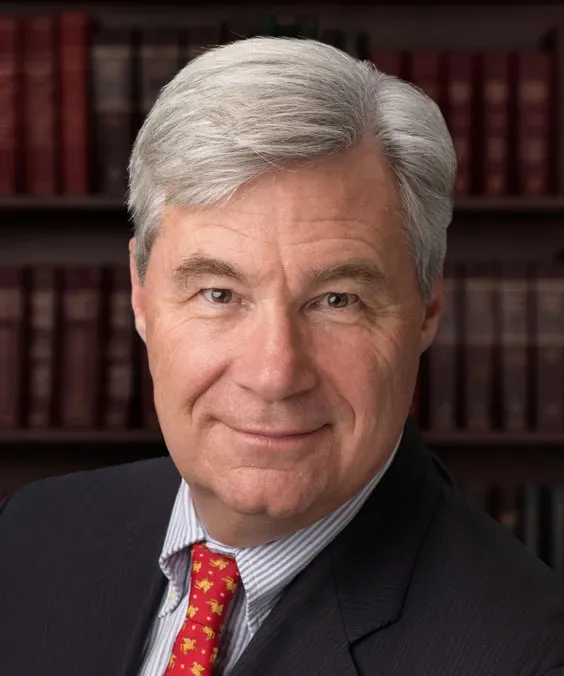
Jack Reed
The Public Record
Jack Francis Reed is a United States Senator from Rhode Island, serving since January 7, 1997. A member of the Democratic Party, Reed has been an influential figure in the Senate, particularly known for his work on the Armed Services Committee. Throughout his tenure, he has focused on issues such as national security, veterans' affairs, and economic development. Reed has also been involved in various legislative efforts aimed at improving education and healthcare access for Rhode Islanders.
In fact, the latest demonstration of policy is that when pushed to the extreme we will use lethal force to protect Americans.
One of the aspects, I think, of the political structure of Somalia is it's dominated by tribal arrangements.
I want to thank you for your not only interest but your effective support because you ensured there were $10 million in the last budget for New England ground fisheries.
But, you know, it goes back to the question I raised before, to which I think you affirmatively responded, that in terms of overall risk mechanisms or risk compliance, that it was clear that the umbrella regulator had that responsibility.
I would presume, and correct me, that those procedures, those appropriate procedures you described, were not being deployed very successfully at Bear Stearns or Lehman Brothers.
Having listened to that, it is, I think, very insightful, and it seems to be a great approach.
You know, making the diagnosis that you are ill and then not treating the patient is, you know, malpractice.
Let me talk to Mr. Cole. As the umbrella regulator of several large financial institutions, do you feel that you are responsible, the Federal Reserve is responsible for the overall capacity of that institution as an enterprise to evaluate…
The governance structures, the firm managers, and sophisticated models all failed to capture the magnitude of the risks that were building.
And it raises the question with respect to the Federal Reserve that if these documents are solely within the purview of the Federal Reserve, how is the broader financial community and the broader community and how is Congress to inform…
You know, where was the risk assessment at the enterprise, as you described it?
you need to do more here, and that is one of the main tools that we have, is that type of horizontal review.
But there is another way sort of to get the message across to the marketplace, and that is enforcement action.
it raises an issue, which is that in 2006, you had at least had serious concerns because of the stress testing that these firms could not handle or have systems in place to deal with the risk.
Blame must primarily be placed at the feet of these financial institutions which gambled and then cashed in on exorbitant transaction fees for creating exotic new financial products.
The trillions of dollars in losses stand as witness to the many failures of risk management at these firms.
the fact that they did not have systems in place to adequately assess the risk, which I think is a fair conclusion of the report of the GAO.
This financial crisis has demonstrated that, contrary to the presumption of many, financial institutions were unprepared and in many cases incapable of adequately assessing the risks that they were bearing on their books.
Yes. Mr. Long, the same sort of set of issues about reliance upon information and being a captive of the regulated entity.
When self-interest and market discipline break down, we hope that the safety net of regulators will guide us out of the storm.