Sep 26, 2018
I give this administration a lot of credit for making a very strong stand in Idlib and talking about the consequences in no uncertain terms.
The Public Record
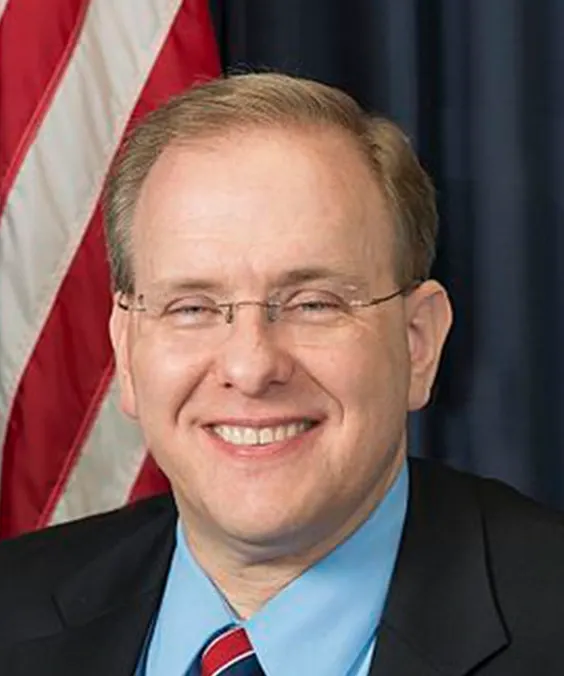
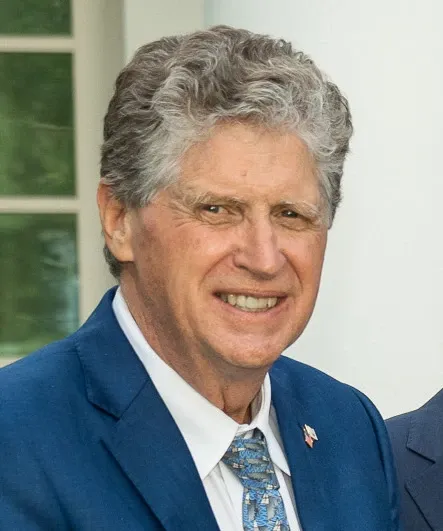
David Nicola Cicilline is an American politician serving as the U.S. Representative for Rhode Island's 1st congressional district since January 5, 2011. A member of the Democratic Party, Cicilline has focused on issues such as economic development, healthcare, and civil rights during his tenure in Congress. He previously served as the Mayor of Providence, Rhode Island, from 2003 to 2011, where he worked on urban revitalization and public safety initiatives.
I give this administration a lot of credit for making a very strong stand in Idlib and talking about the consequences in no uncertain terms.
While the world is facing the largest refugee crisis in recorded history with 22.5 million refugees worldwide, the Trump administration has cut refugee admissions for 2019 to a record low of 30,000.
It's important for the United States to stand with partners in our hemisphere to condemn the actions of the Maduro regime, expose corruption among Venezuelan officials, support democratic actors, and provide humanitarian assistance to the…
I do hope that maybe as a result of this hearing that there will be additional attention from the media because it was the most haunting trip I have ever made.
To be fair, the administration has imposed new sanctions against the Russians. But the sanctions they have put forward, in my opinion, amounts to a Band-Aid on a bullet wound.
What are we doing outside of sanctions to build trust and reassure the North Koreans that we are committed to peace?
The administration uses loud rhetoric but there's little substance, I find, behind the tough talk.
So facing the threat of U.S. sanctions it seems to me we've pushed foreign governments closer to Tehran rather than further away from Tehran.
When we act alone without consulting our partners, we run the risk of them in turn acting in ways that undercut our goals.
We cannot be complicit in Donald Trump's abandonment of the principals that used to guide us and we have a lot of work to do to restore American values.
How can we trust that the President didn't commit the United States to actions or agreements that may be against our Nation's interest?
I support House Resolution 1017, which requests that the administration turn over documents related to the July 16th meeting between Donald Trump and President Vladimir Putin.
It is now 2 months after the Helsinki Summit and we still don't know what was said in the private meeting.
Rather than standing up to President Putin, President Trump bent over backwards to appease a dictator.
Vladimir Putin is not a friend of the United States or the American people. He's a brutal dictator whose repressive values are completely contrary to our own.
In my view, the Republican leadership in the House has opted to cover for this administration rather than allowing this body to do its job and exercise our checks and balances.
This administration just doesn't seem to respect Congress' role as a co-equal branch of government.
I can't imagine what reason my colleagues could possibly use to justify their unwillingness to support this resolution.
The Trump administration is not going to give us the information we need willingly.
This is a matter of national security, and when an administration--and this would go for any administration of either party--shows such bizarre deference to an adversary who, clearly, means us harm, it falls to Congress to get the answers.
The resolution sets forth milestones which needed to be met and passed thanks to the leaderships of so many, including our Chairman Ed Royce, our Ranking Member Eliot Engel, and, of course, Kevin McCarthy and the Speaker, who ensured that…
We should ensure that any policy toward Cuba does not readily offer major concessions to the Cuban Government.
The feigned transition of power that occurred in Cuba this April was nominal, and we should not be under any illusions about who really holds the seat of power in Cuba.
Politicians like David Cicilline